Gran cabalgata
Gran Cabalgata: A day that became more than just a ride
I heard about the Gran Cabalgata in La Pintada from a sun-creased pamphlet and knew I had to go. I did not have a horse. I had a camera, and that would be enough.
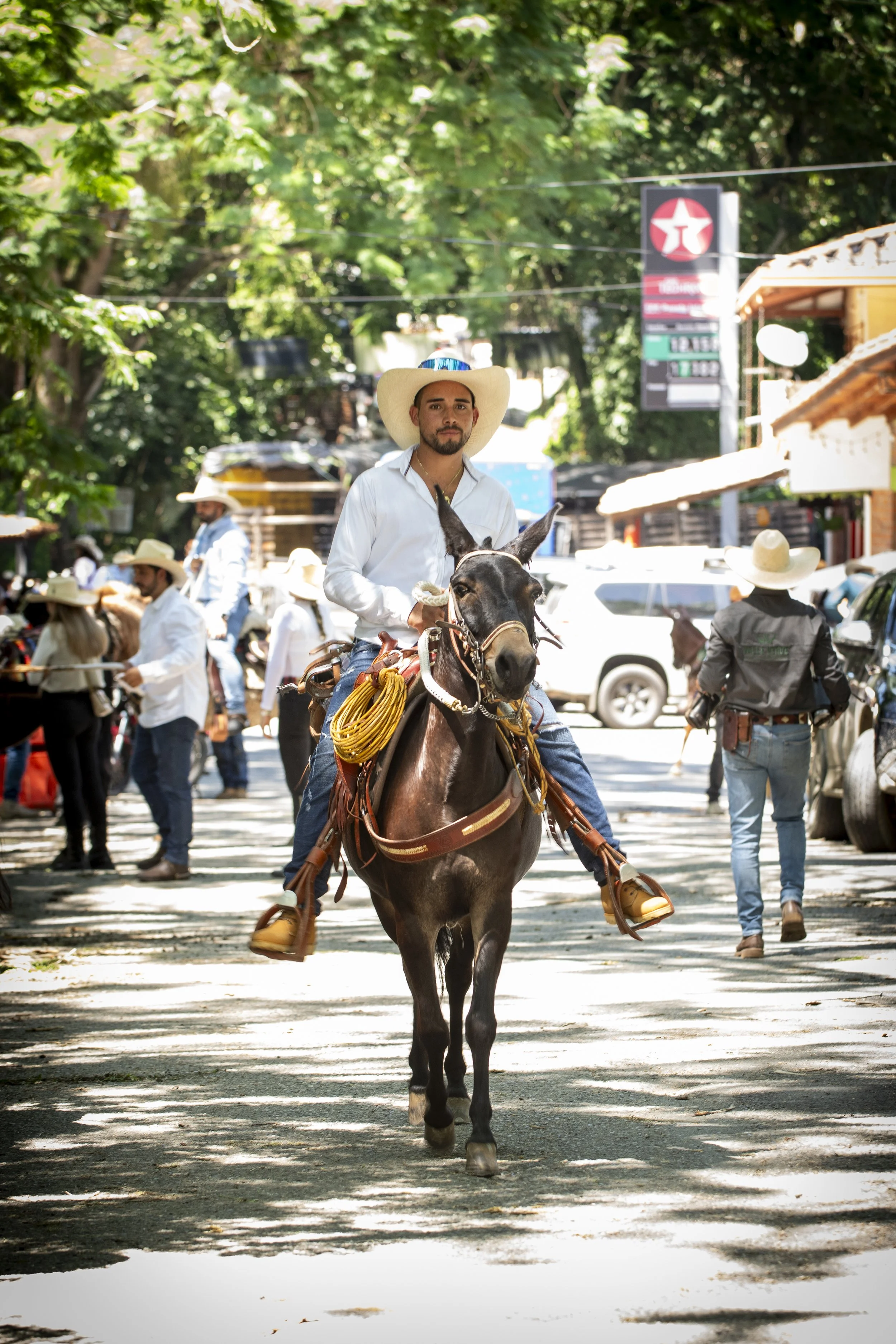
Driving up the final hill into Puente Iglesias, the heat hit like a punch. Asphalt already burning. Sweat soaking through my shirt before I even closed the taxi door. Trucks lined the roadside, engines ticking as they cooled. The air was a mixture of diesel, hot rubber, warm brakes, oiled leather, horses, and sometimes a clean slice of perfume drifting from a rider passing by.
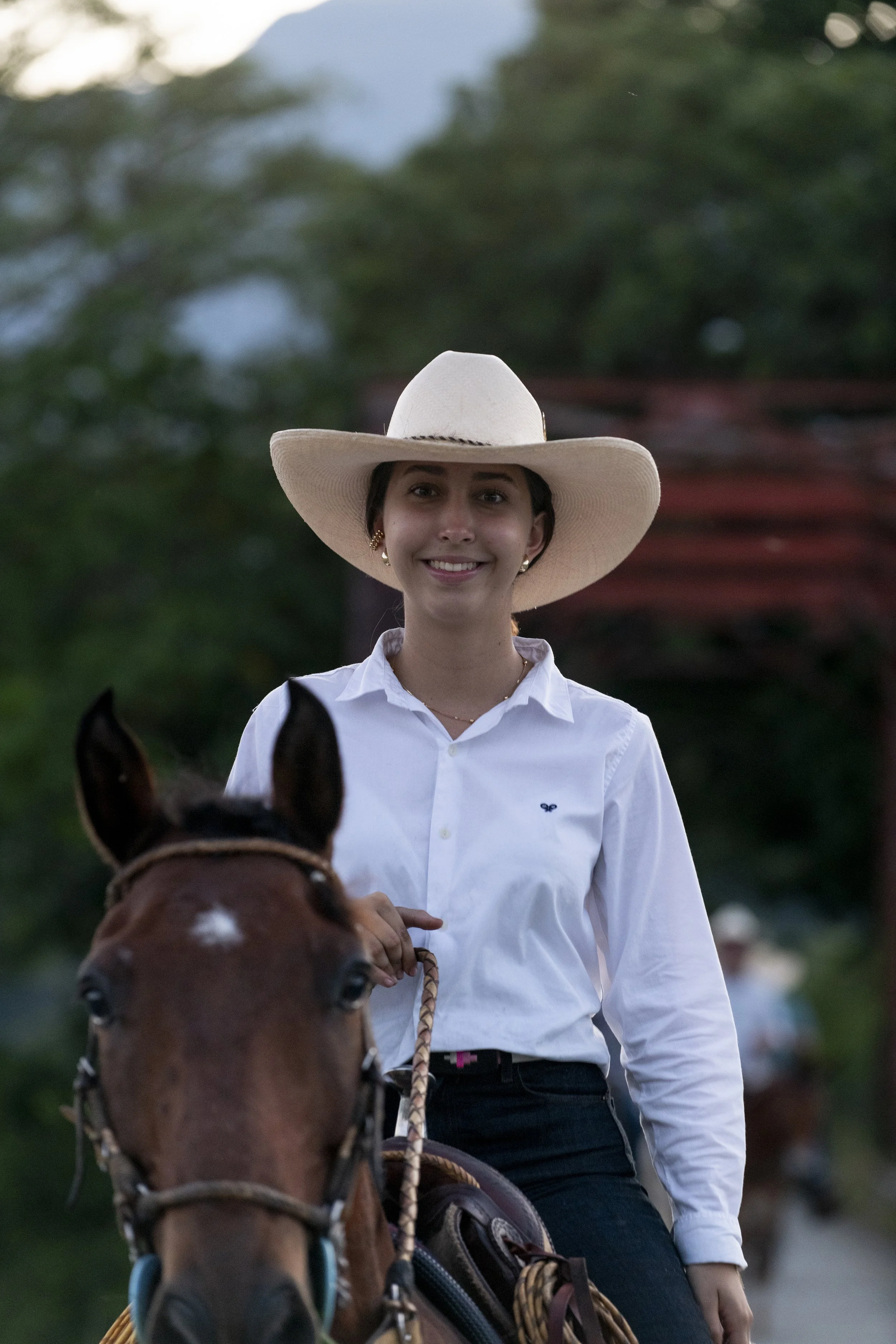
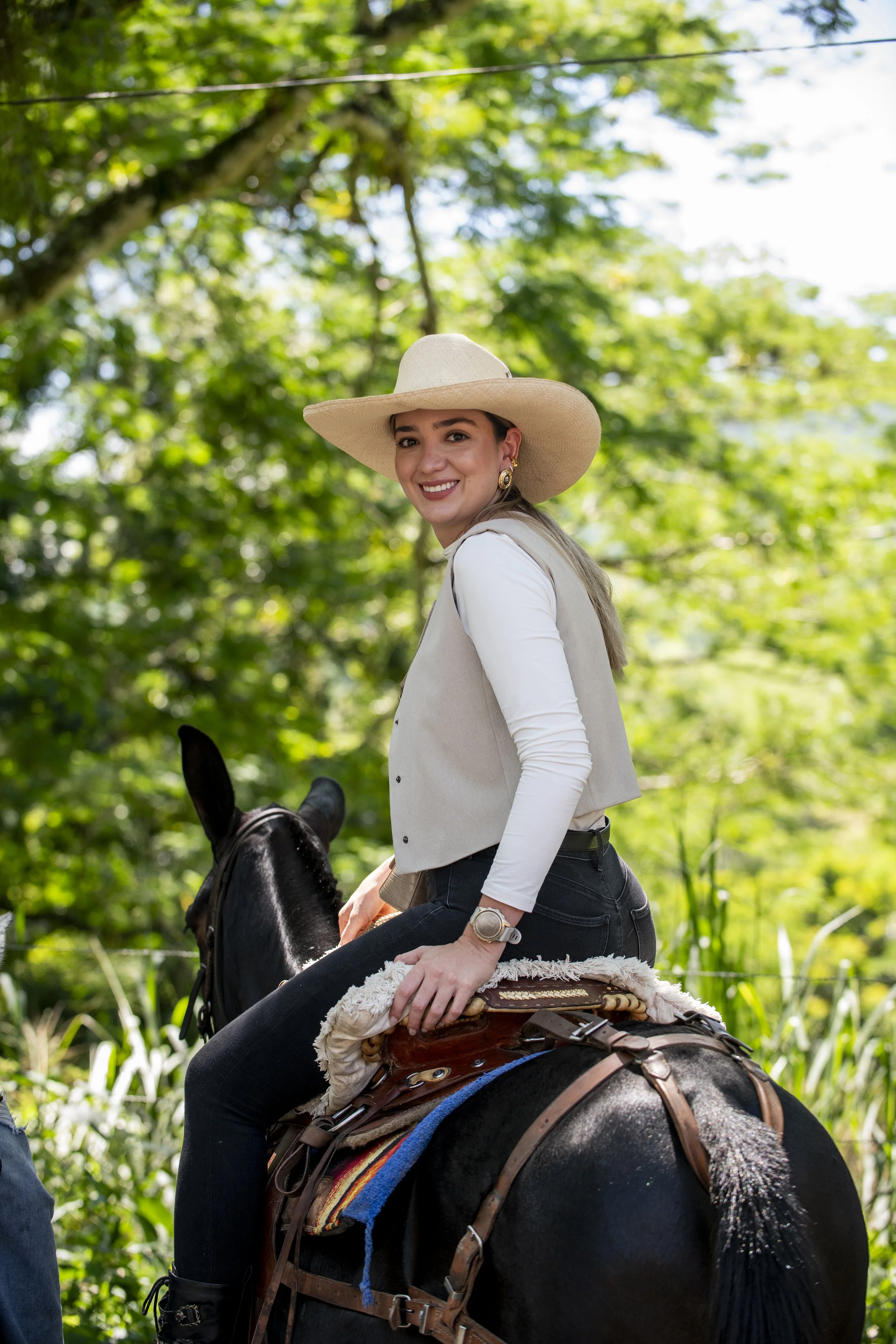
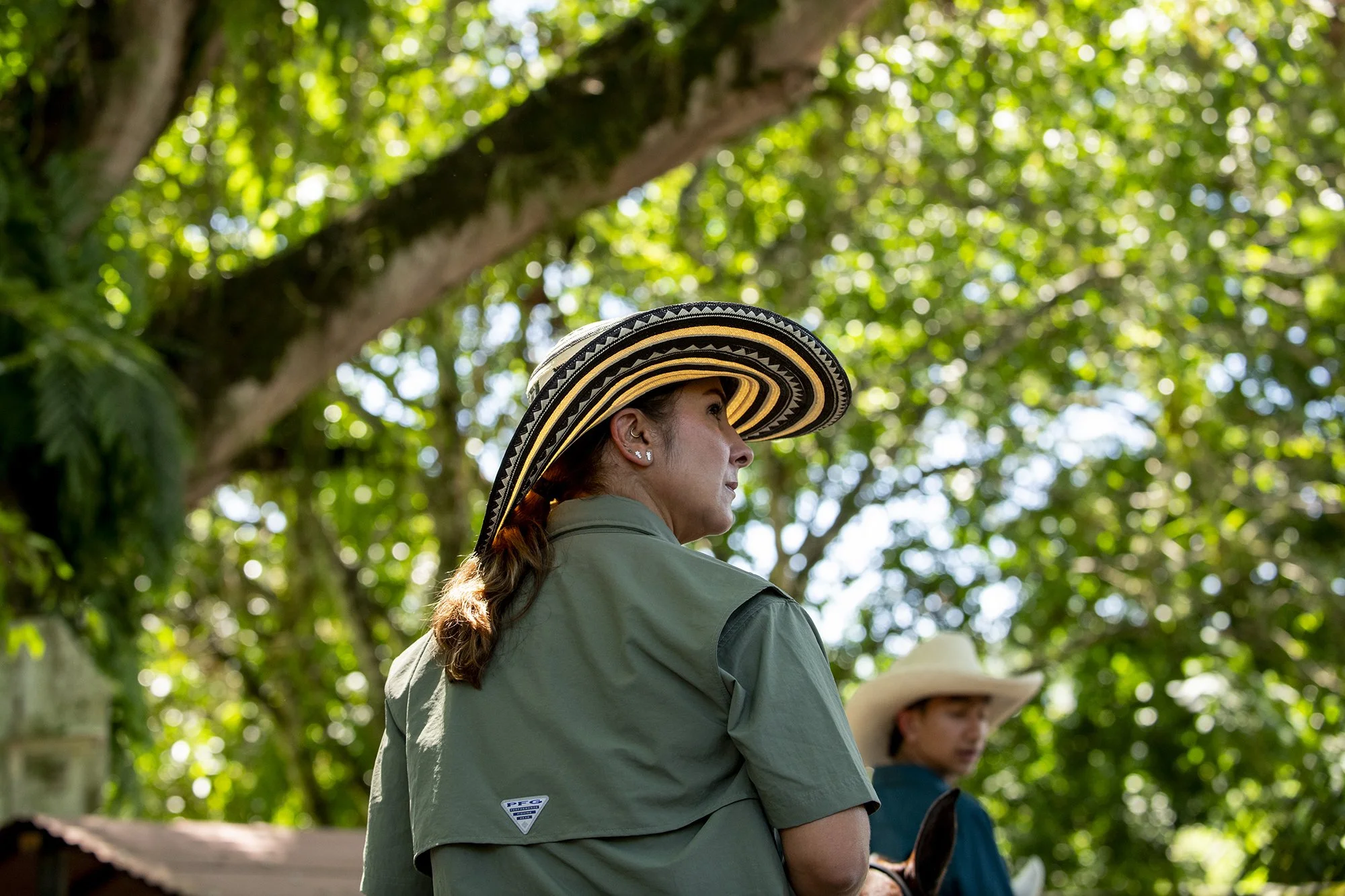
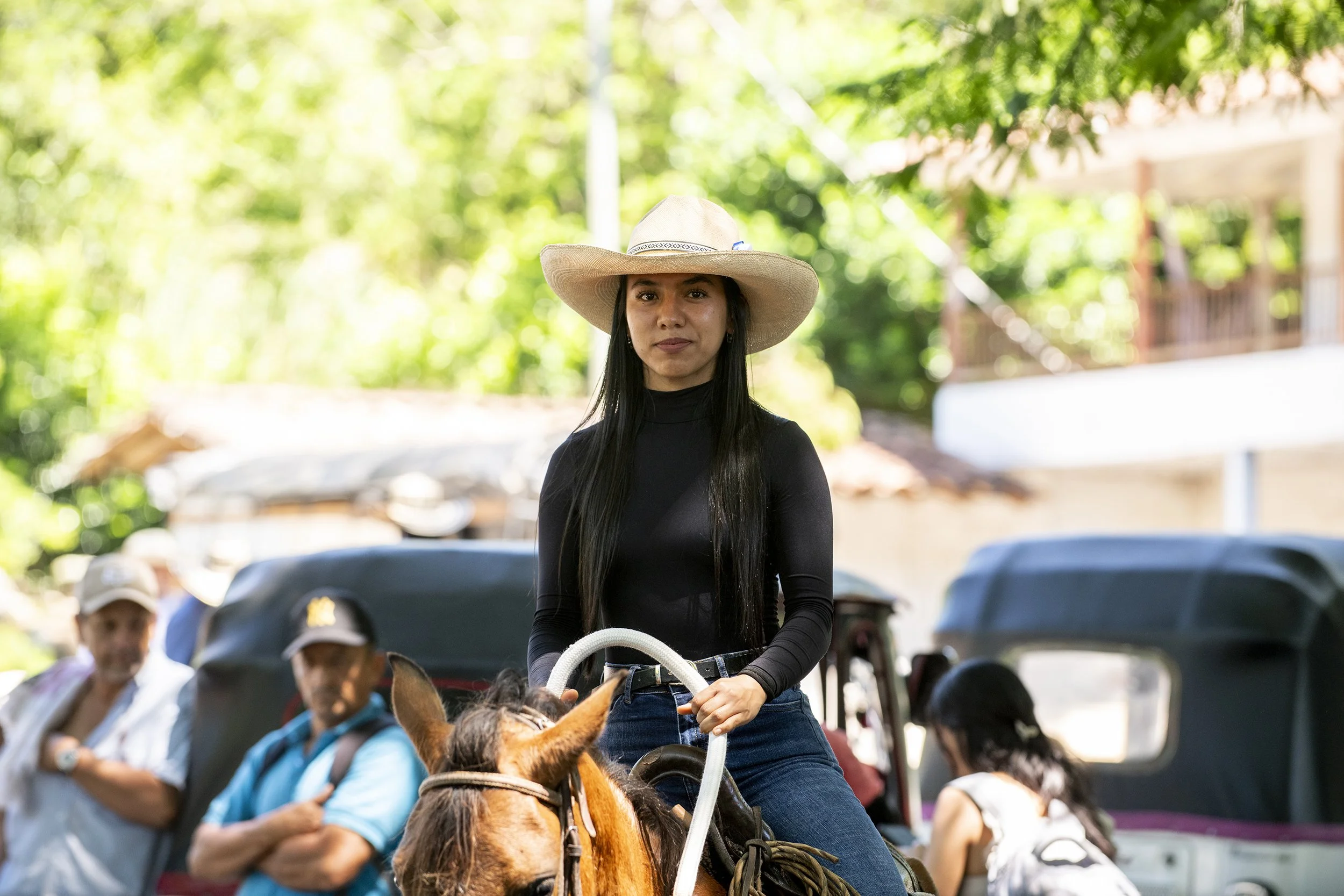
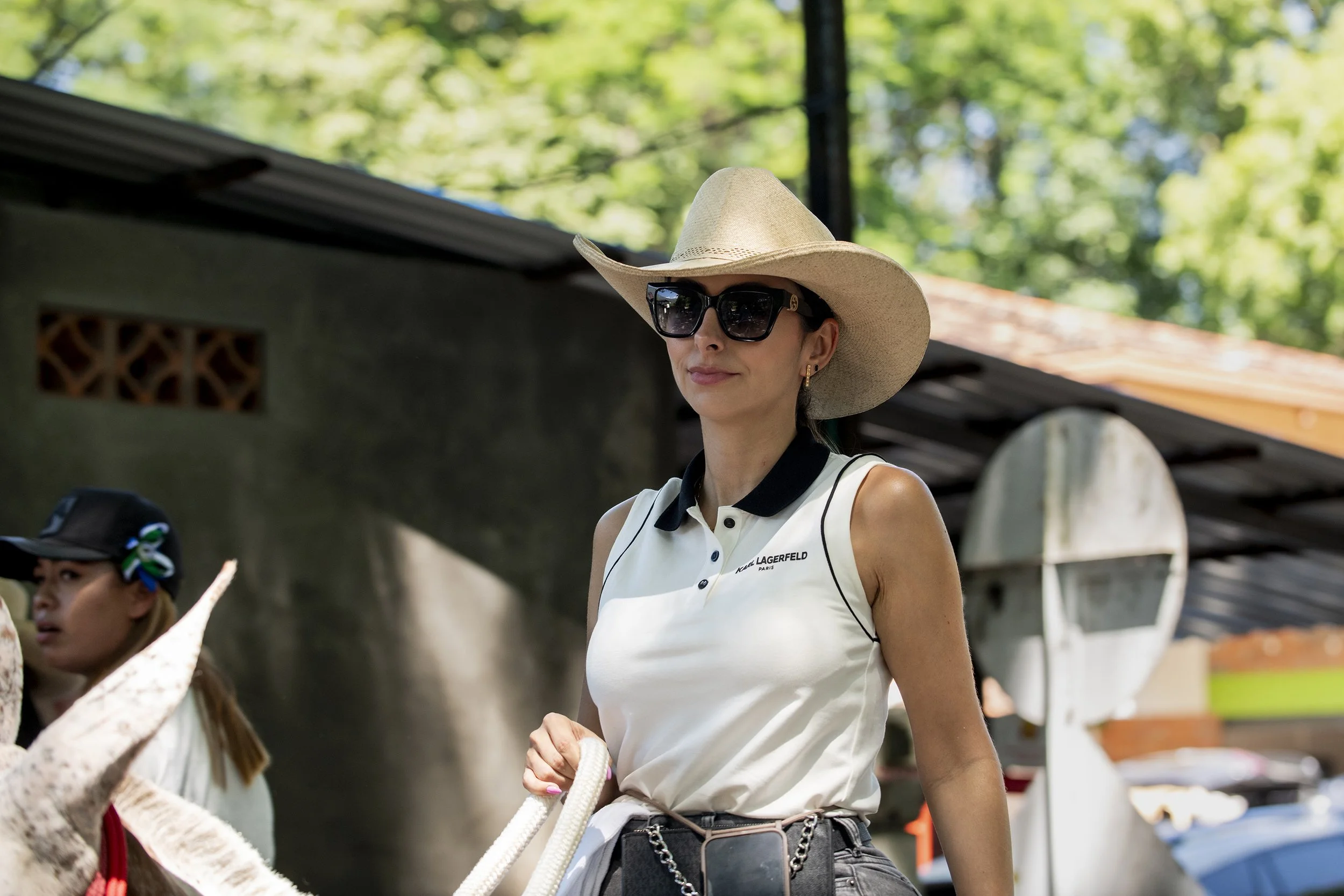
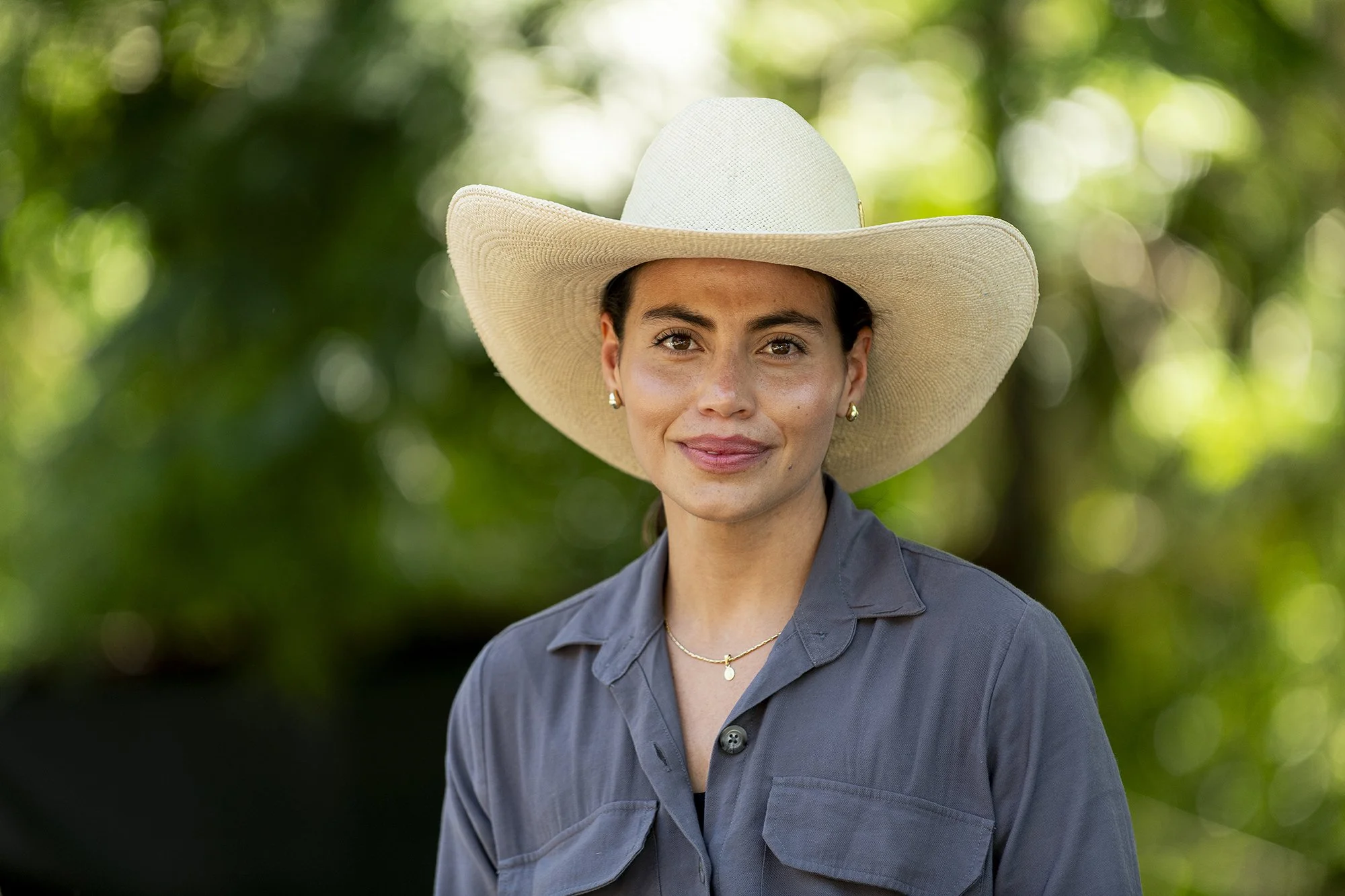
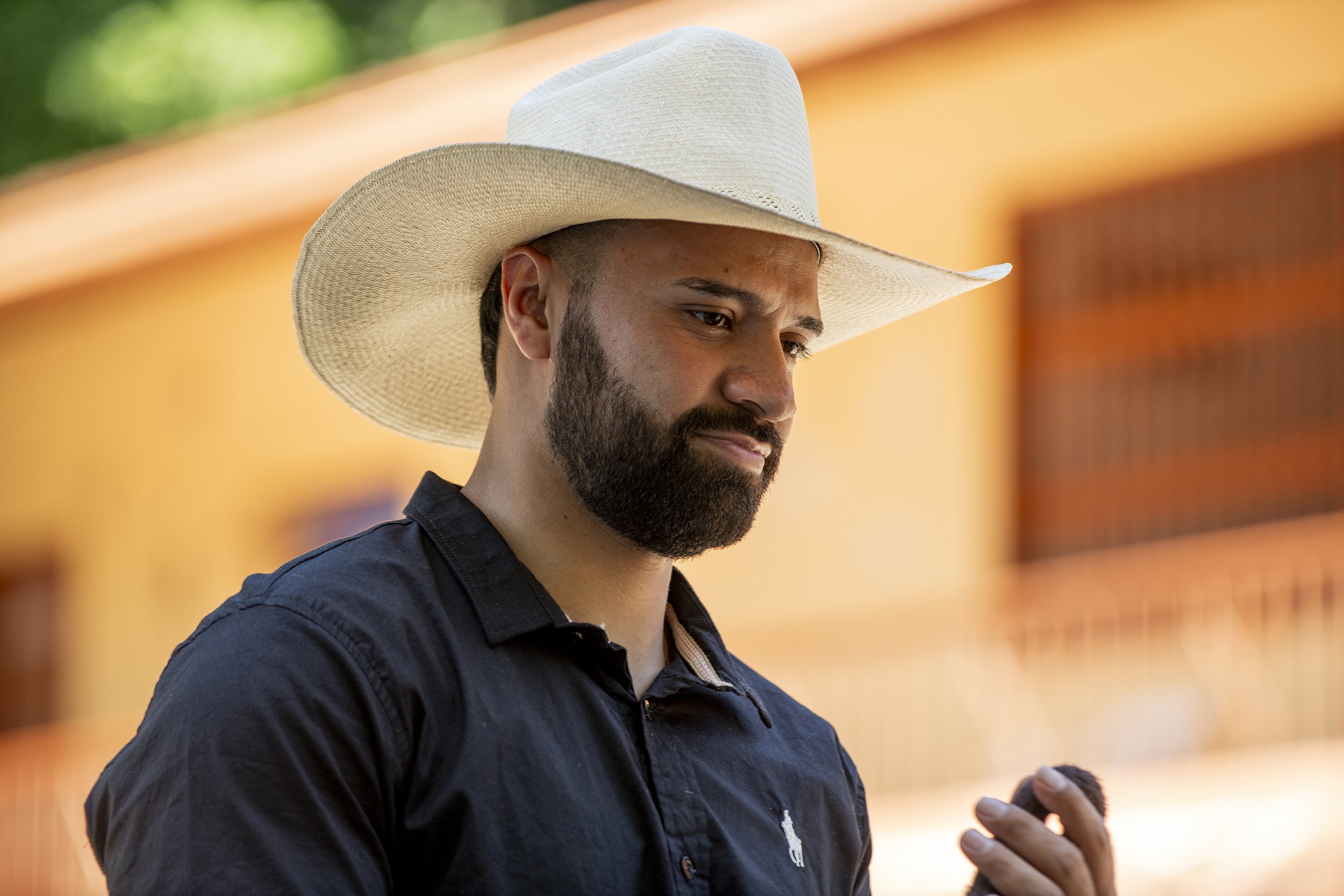
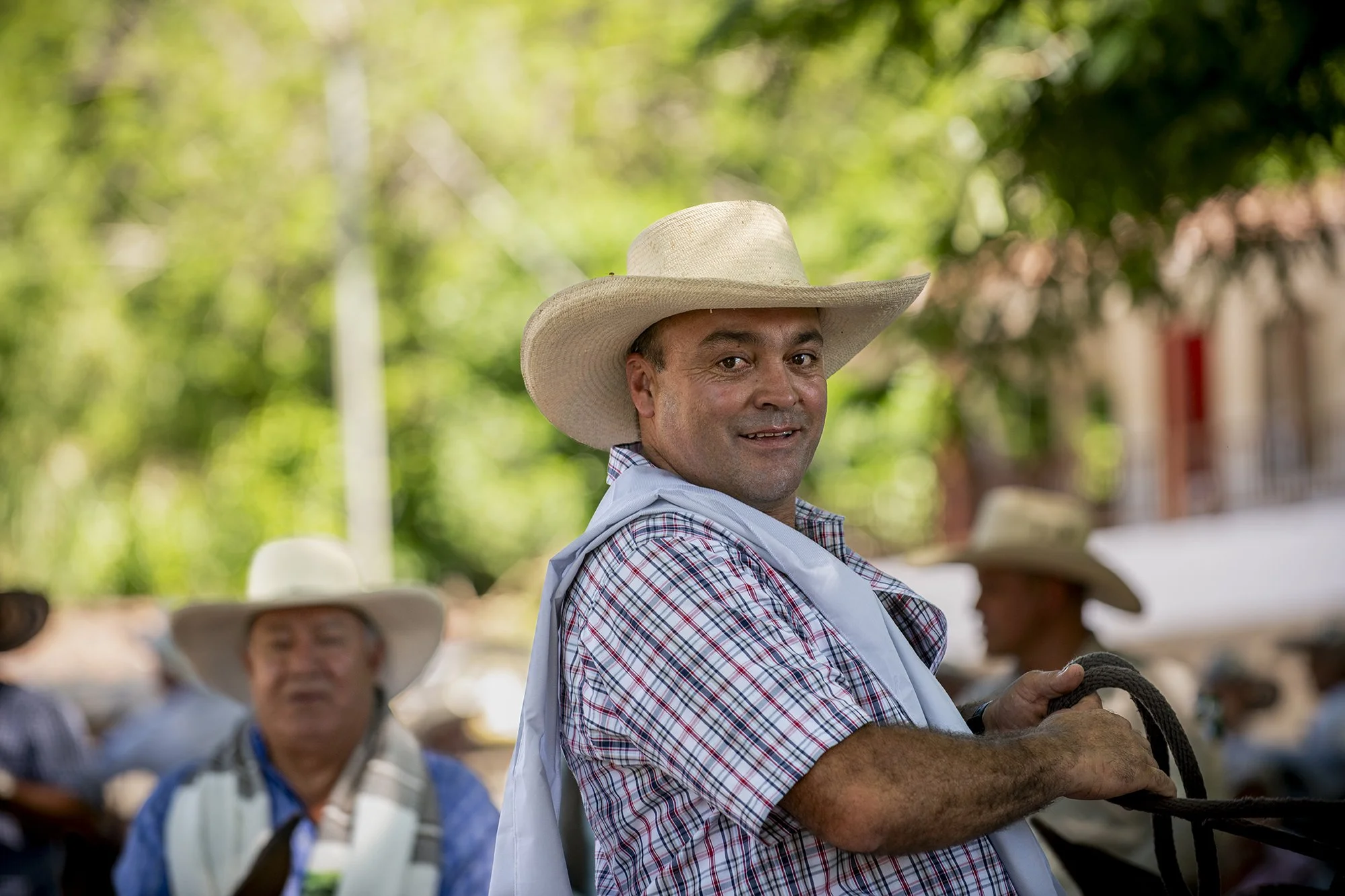
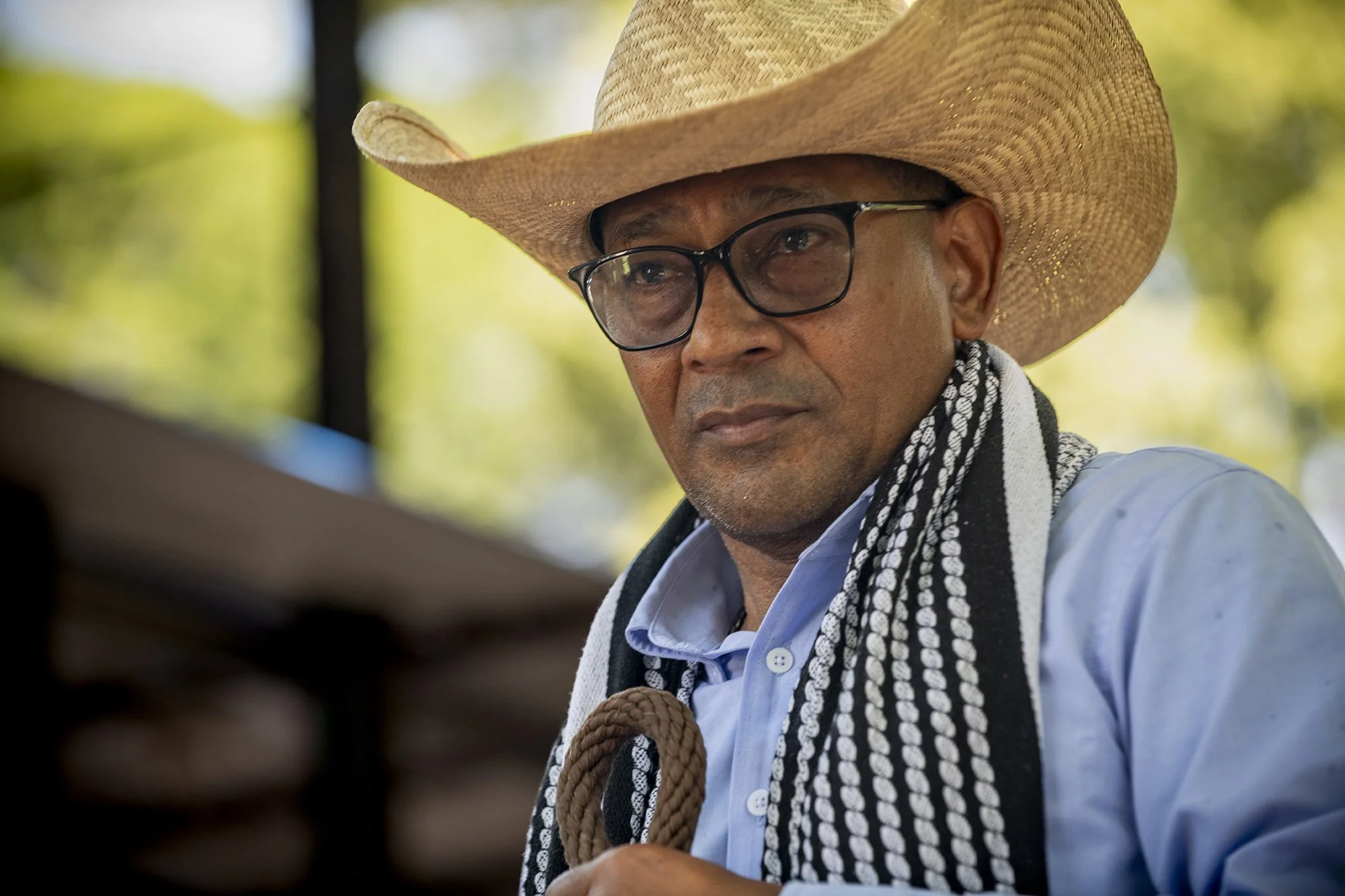
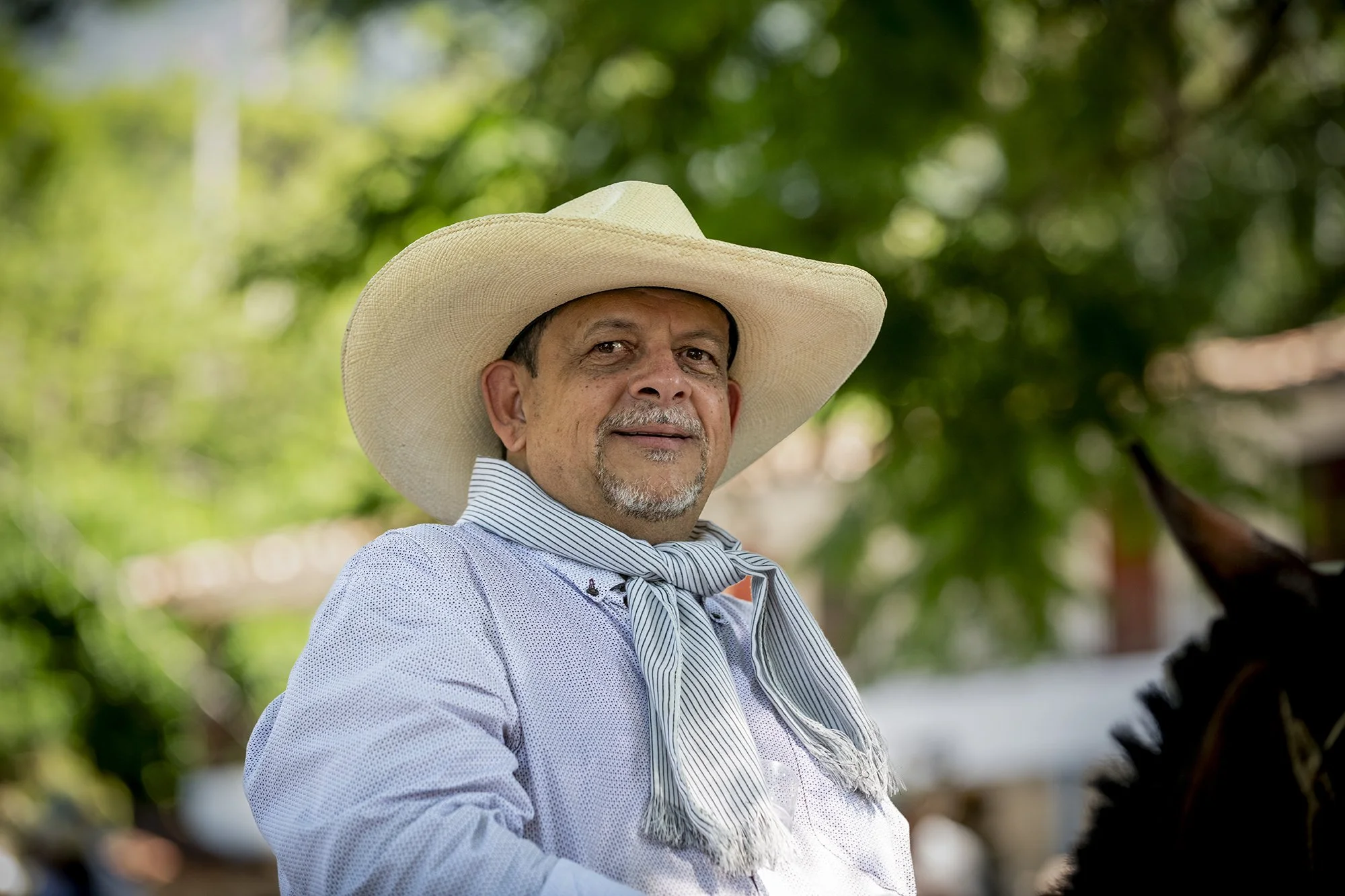
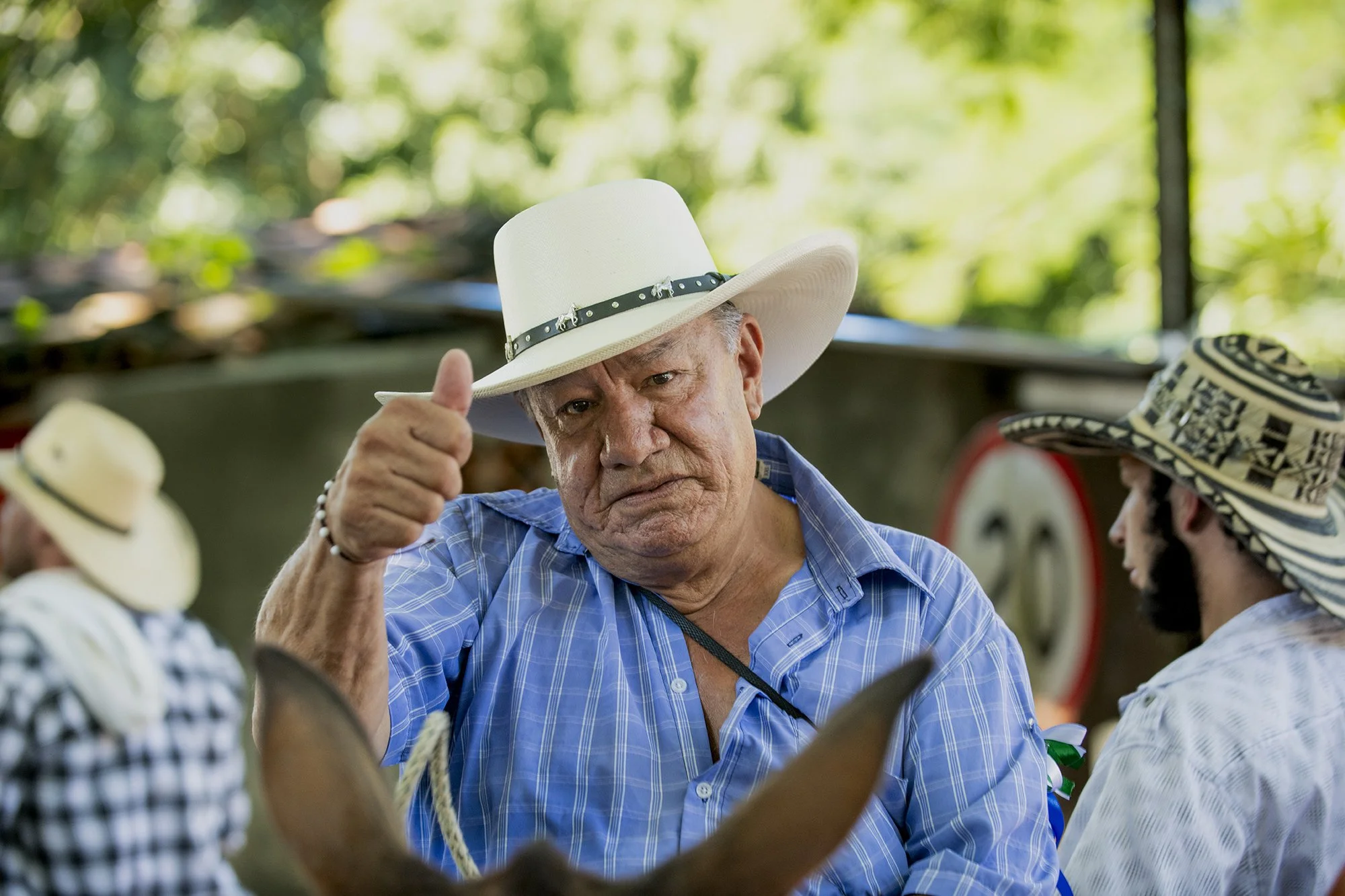
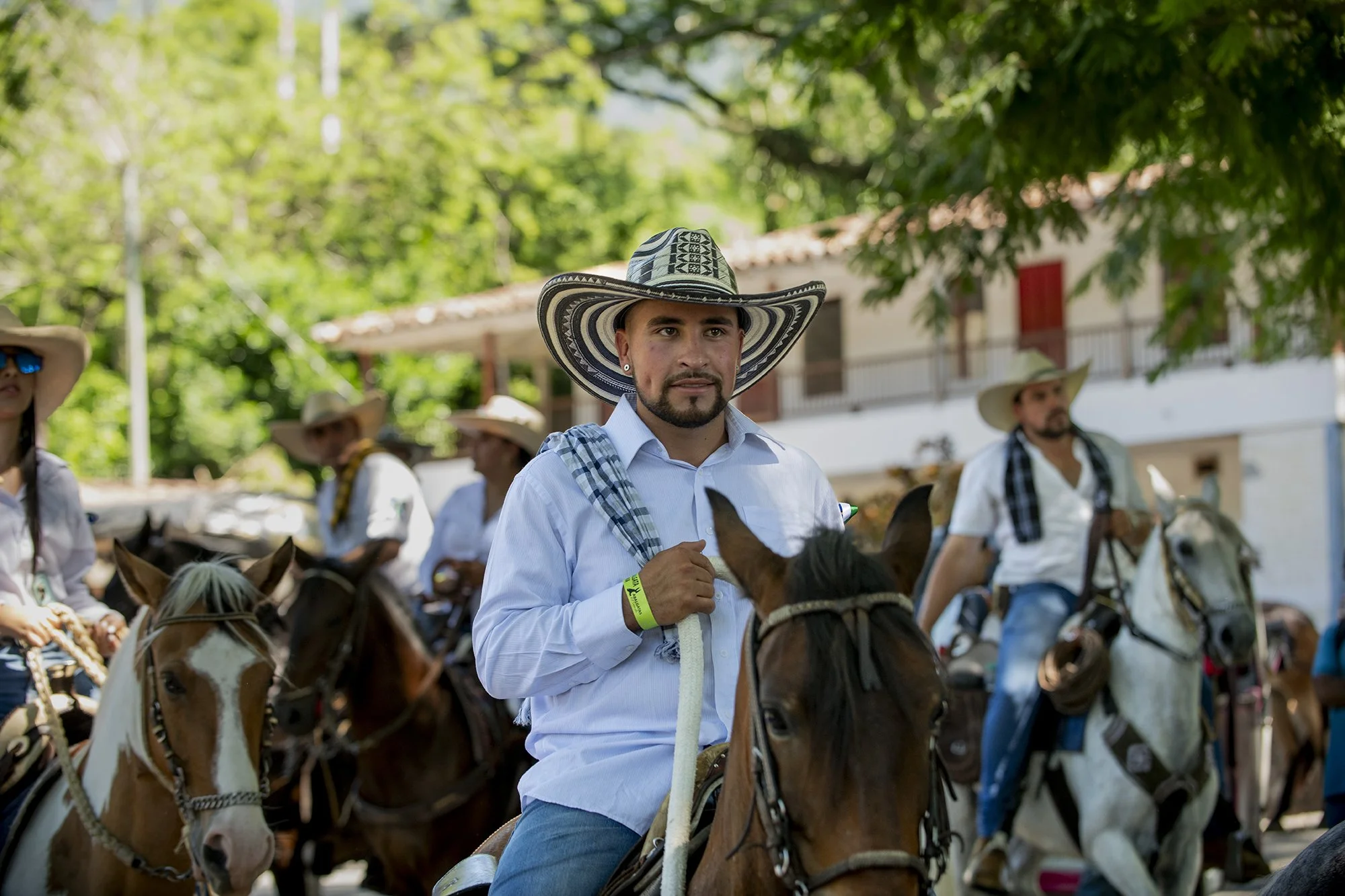
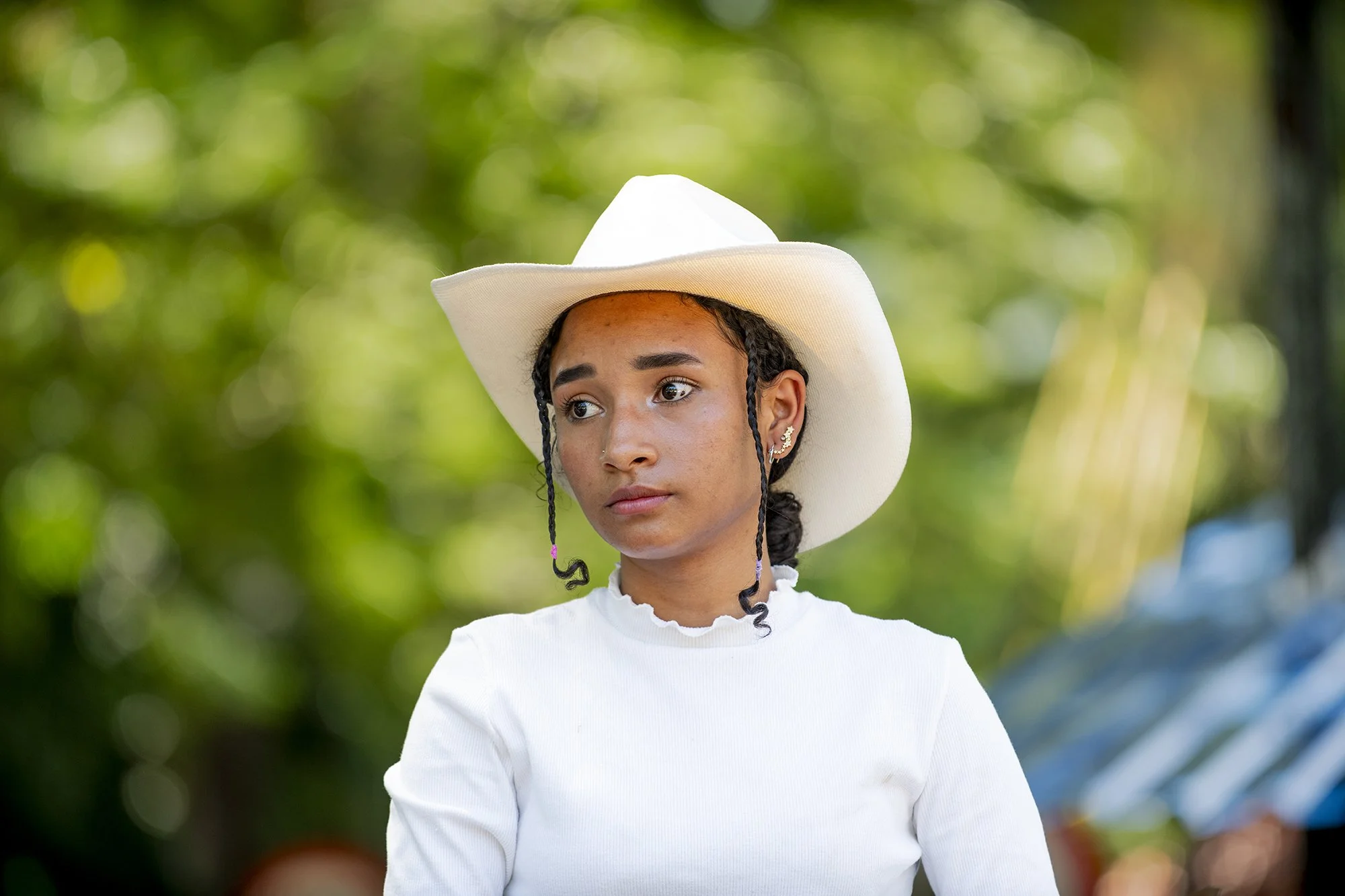
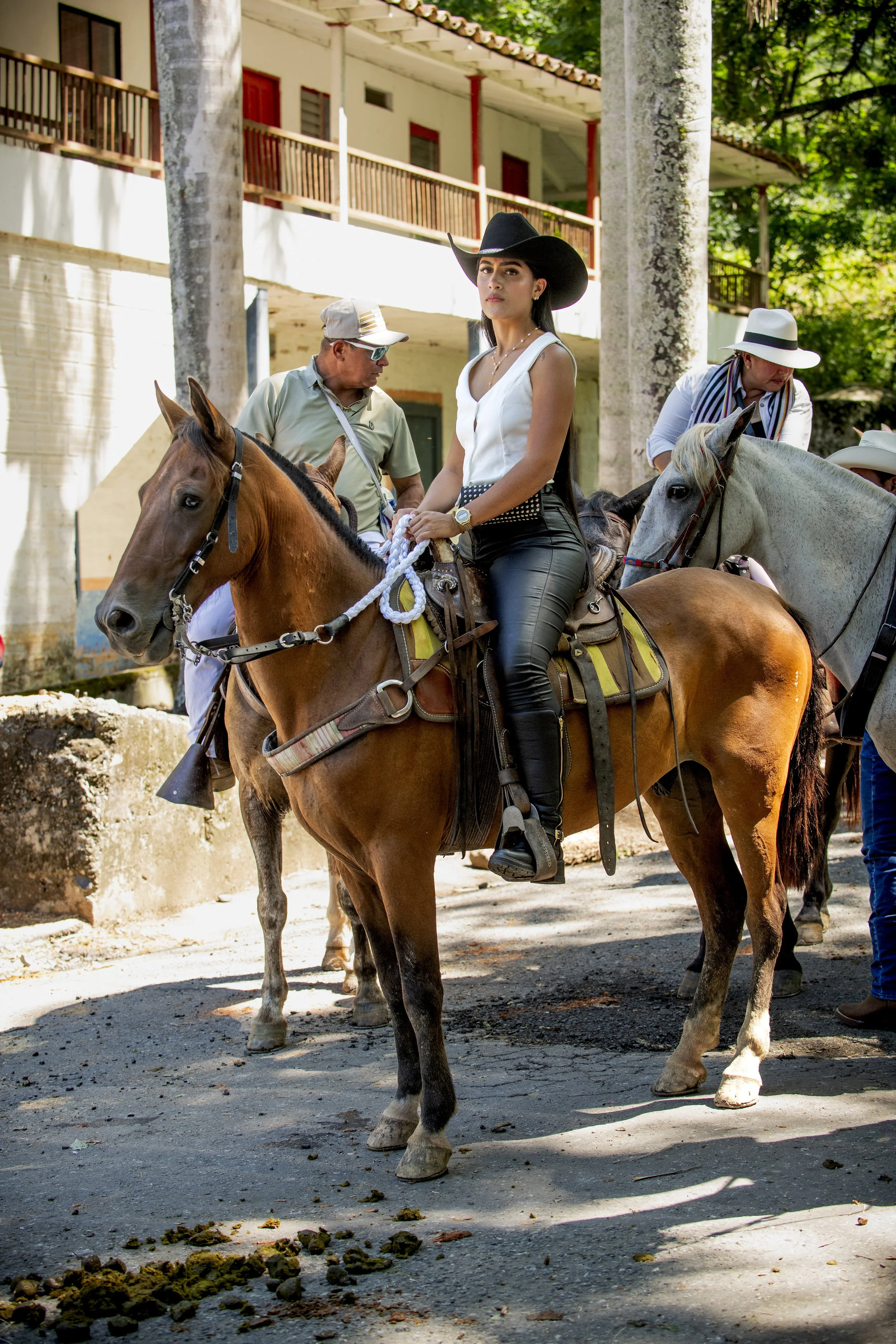
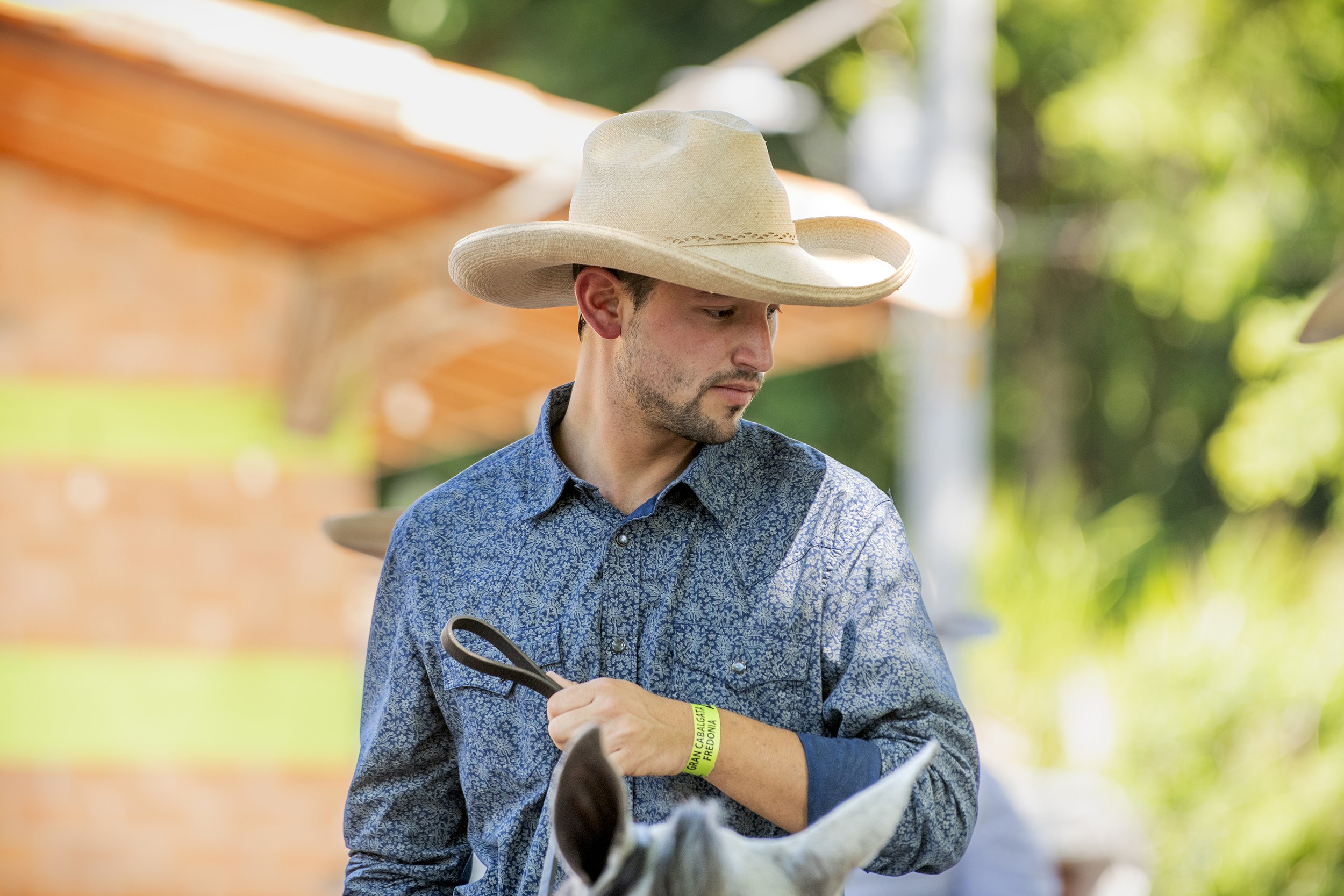
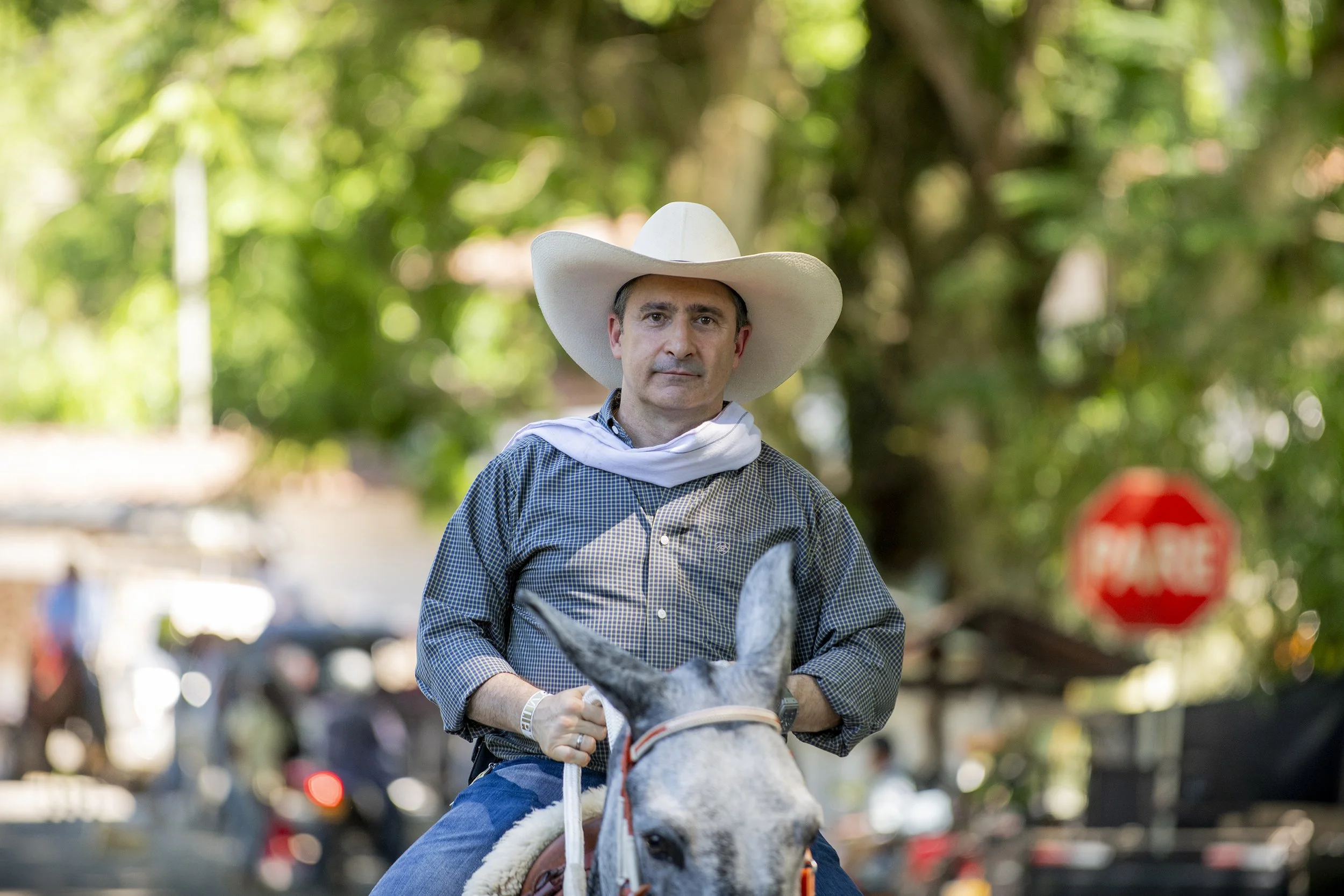
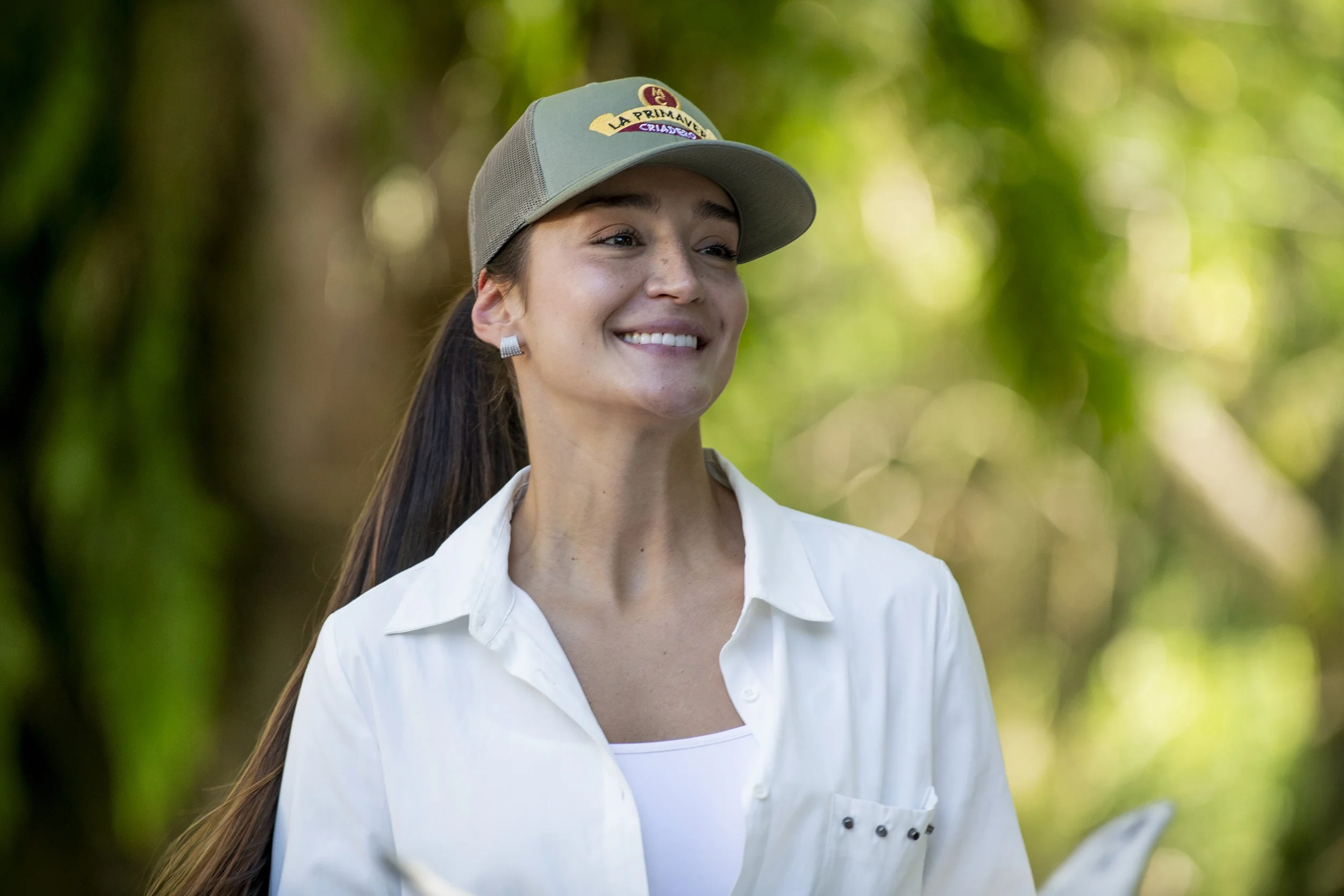
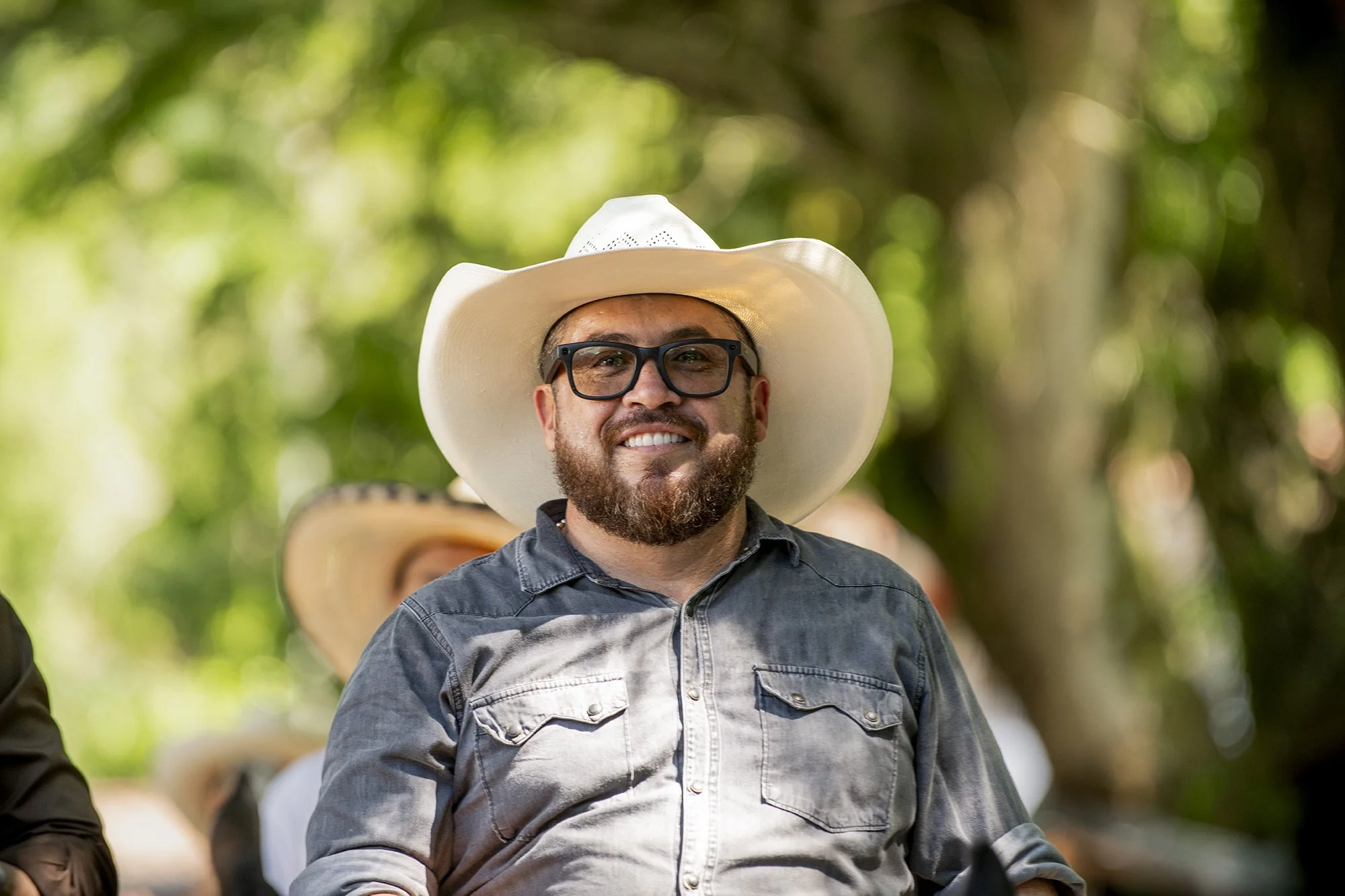
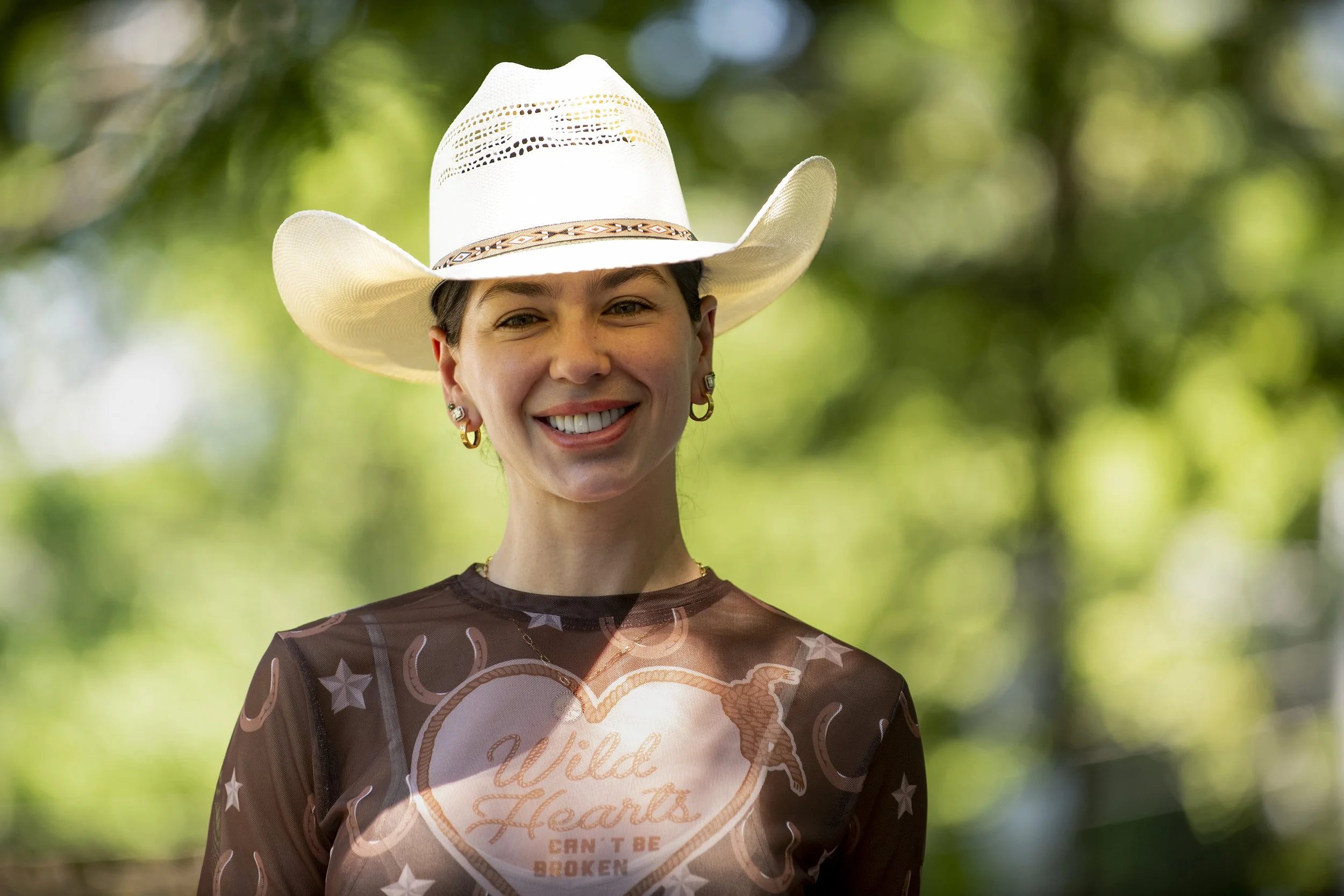
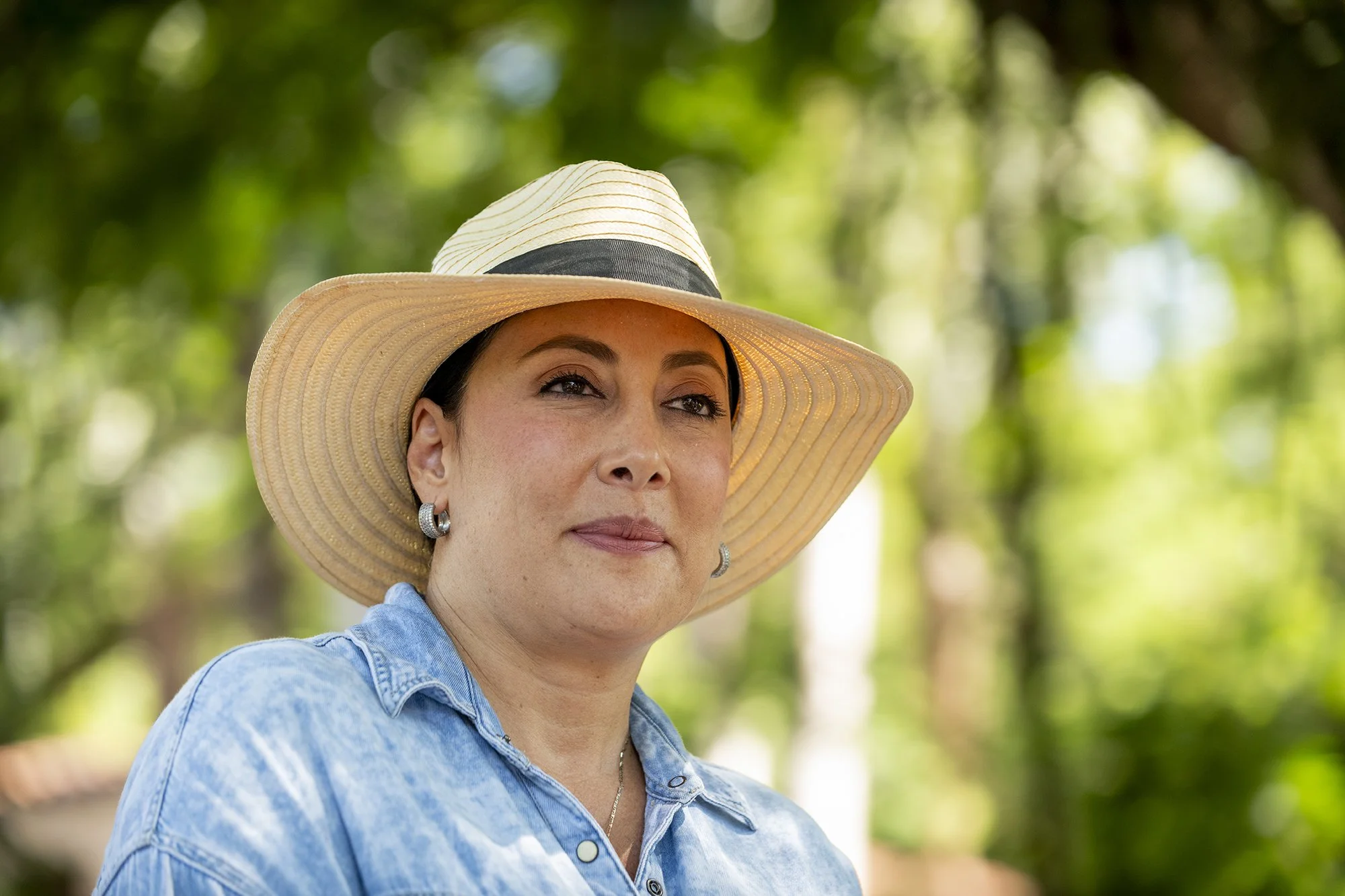
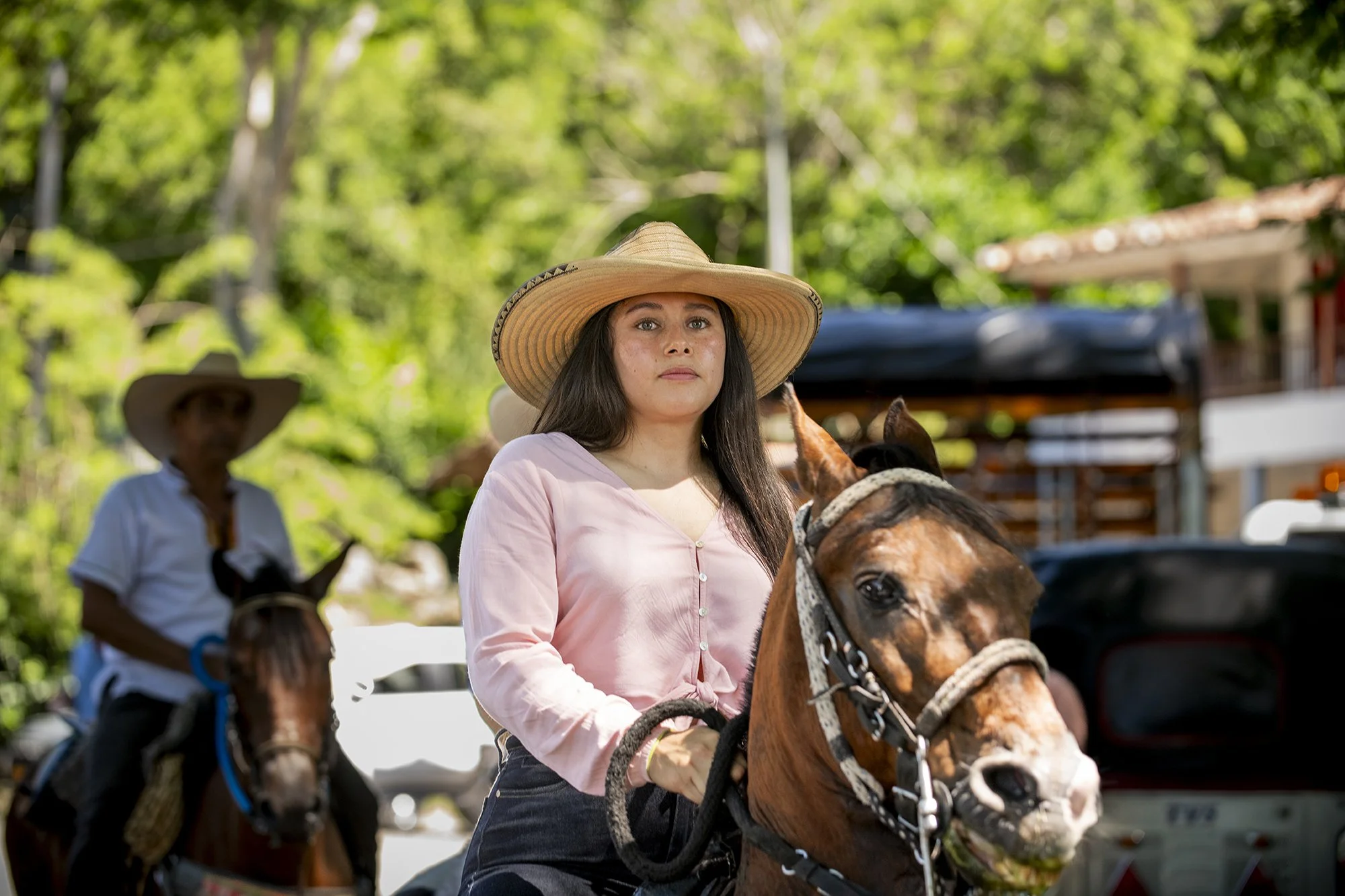
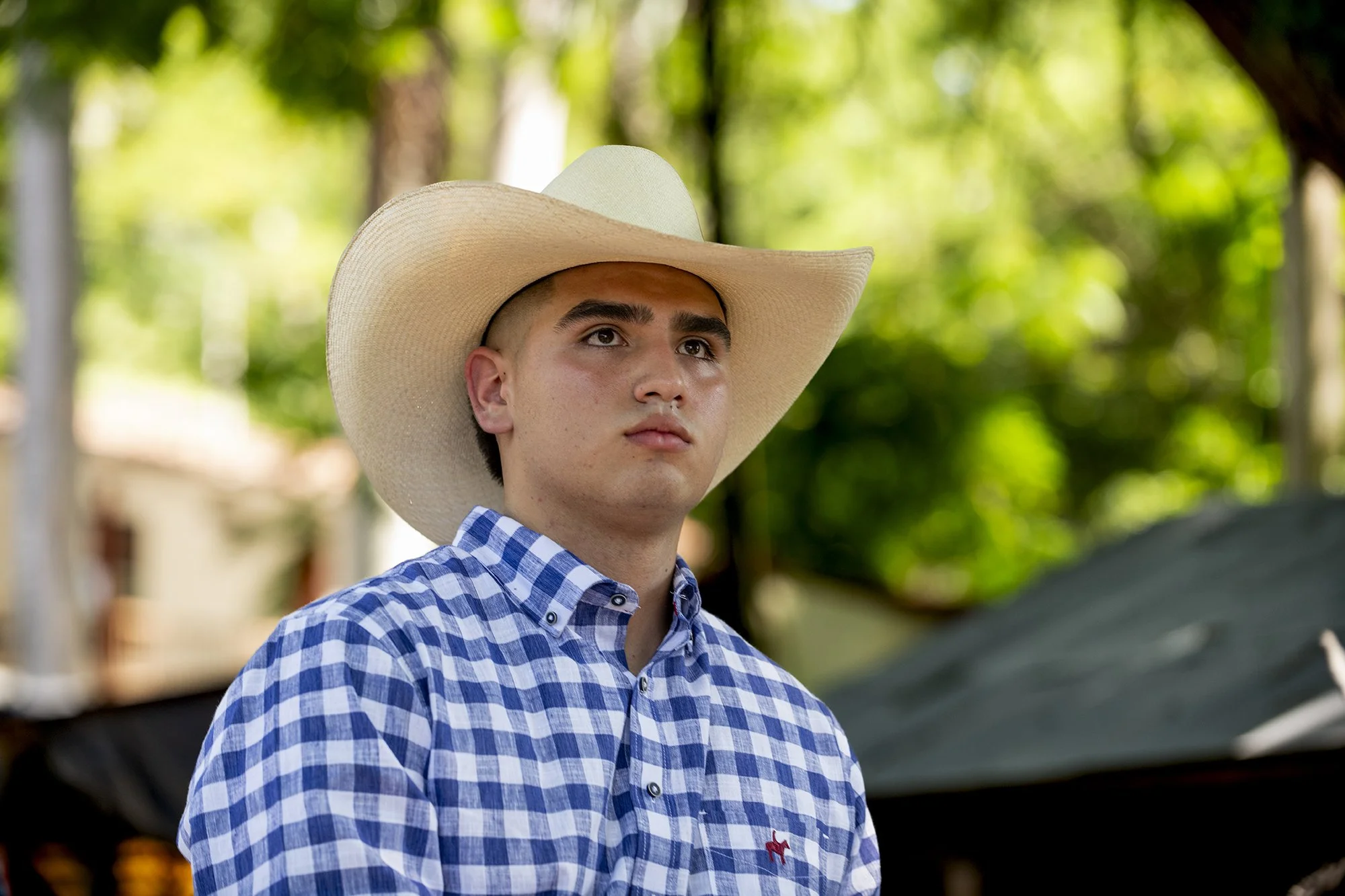
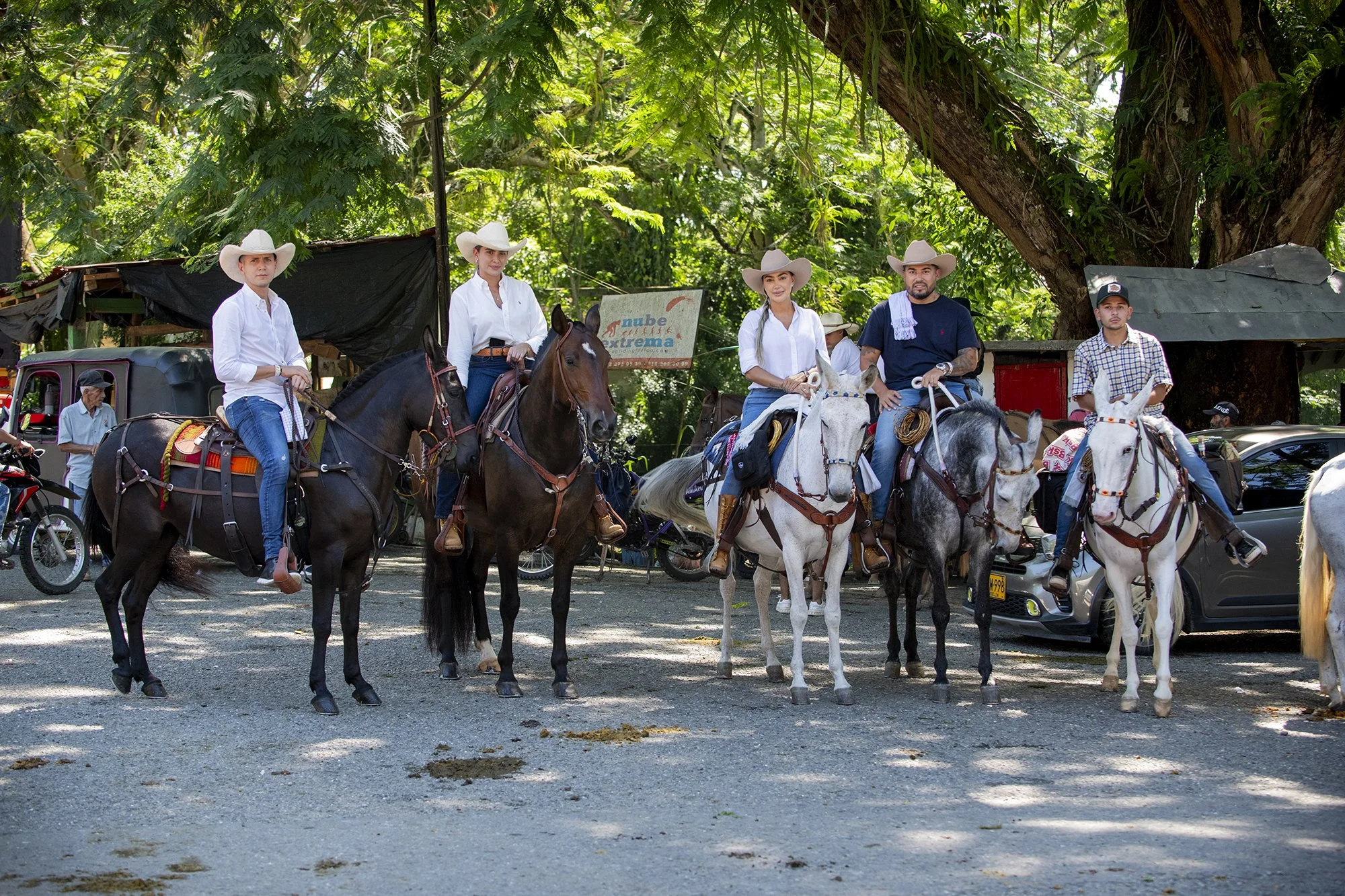
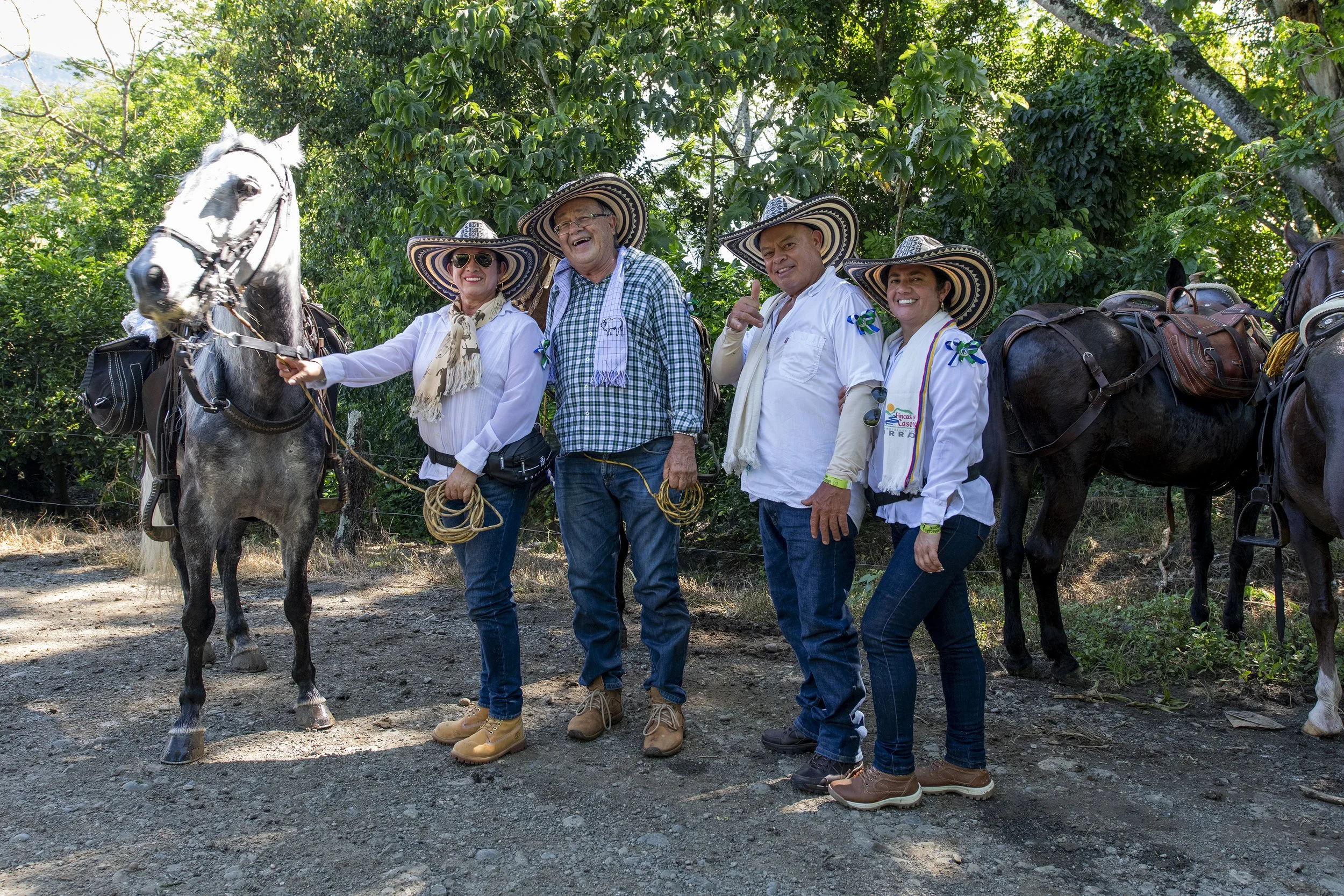
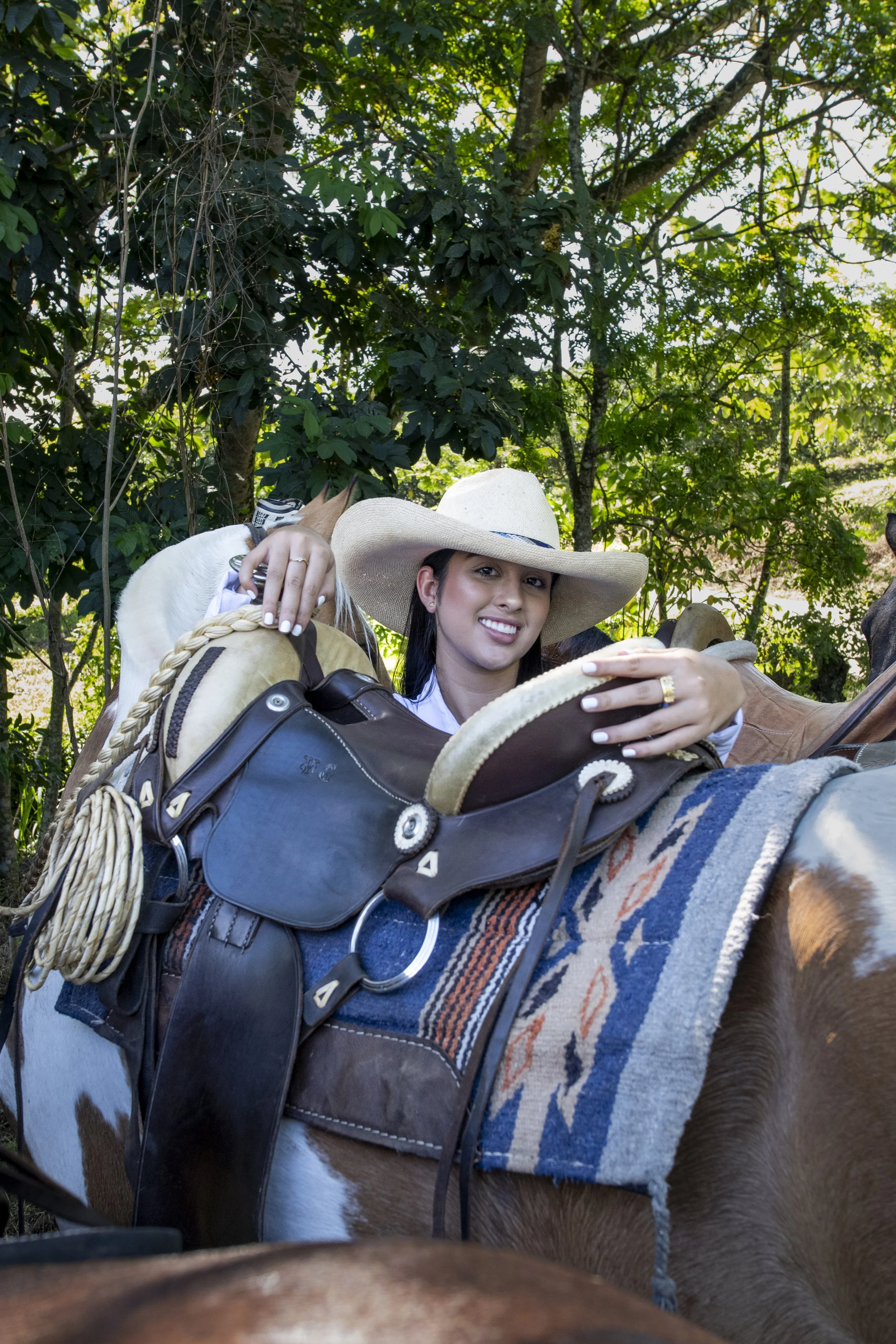
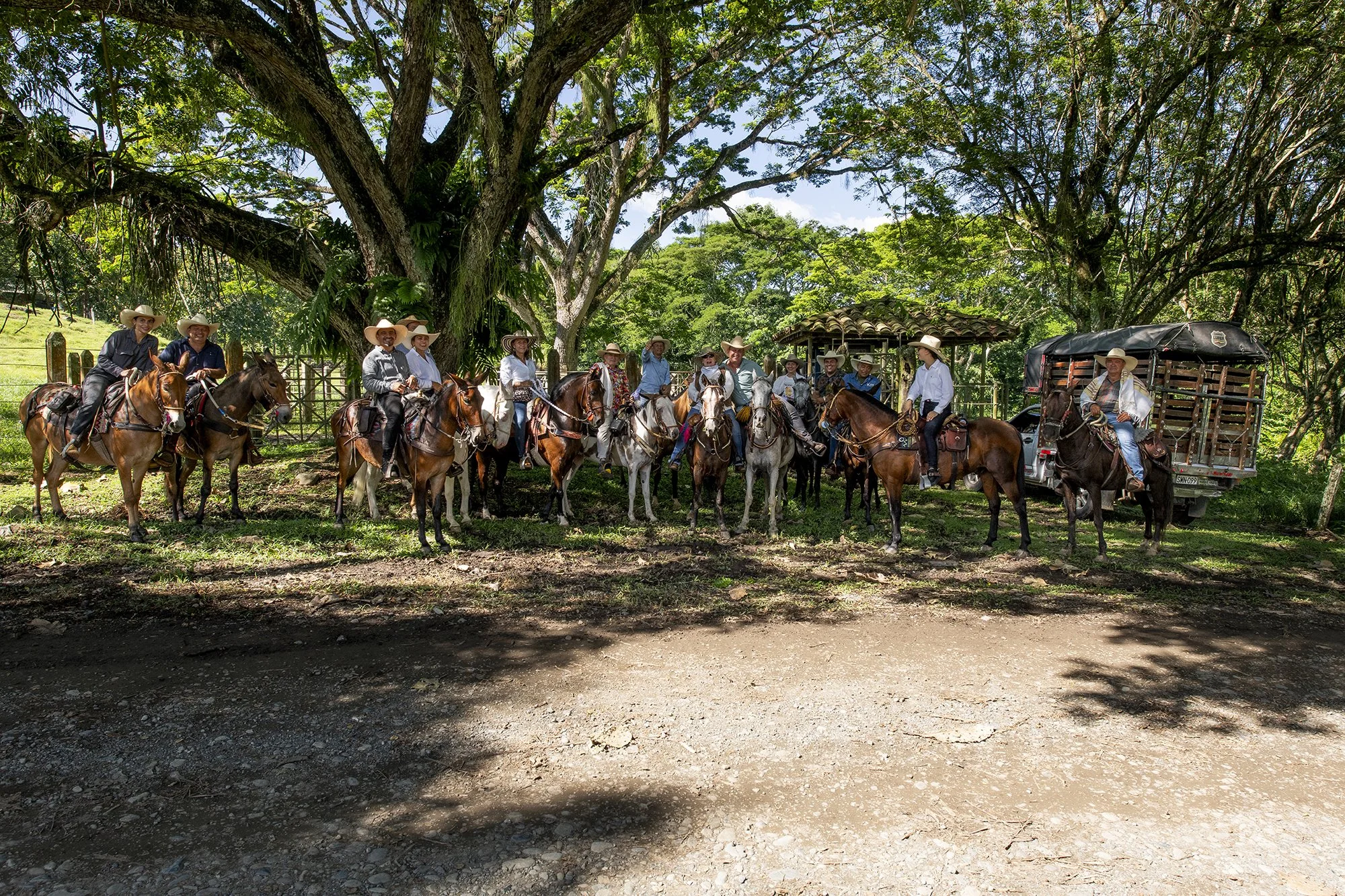
People in big hats and worn boots moved with the efficiency of people who do this every year. Saddles tightened. Hooves stamped. Spurs tapped against the pavement. Families stood in truck beds while horses shifted in the thin morning shade.
It was not a tourist crowd. It was life in motion. And I was stepping directly into it.
This is where my story truly began.

Heat of the start
From the first moment in the streets I had to move between horses. Shoulder to flank. Flank to shoulder. Riders guided them calmly, but their size and strength demanded respect. I was not afraid, but I was fully alert. I had to watch every step and every movement around me.
I had experienced horses in the Netherlands reacting nervously to the camera, so I stayed careful. But these horses were different. Calm, patient, incredibly sweet. That morning I developed a real love for them, and that feeling stayed with me for the rest of my time in Colombia.
Where We Were Heading: La Pintada
La Pintada is a small town in Antioquia, Colombia. Nestled between mountains and the Cauca River, it is known for horse culture, warm weather, and a deep-rooted sense of tradition. A cabalgata here is not a show, it’s a living part of life.
We started from Puente Iglesias, passed Marsella and Fredonia, and made our way toward the valley where La Pintada waits. I did not know the history of the Gran Cabalgata, but pride and tradition were clear from the first moment.


Leaving Puente Iglesias
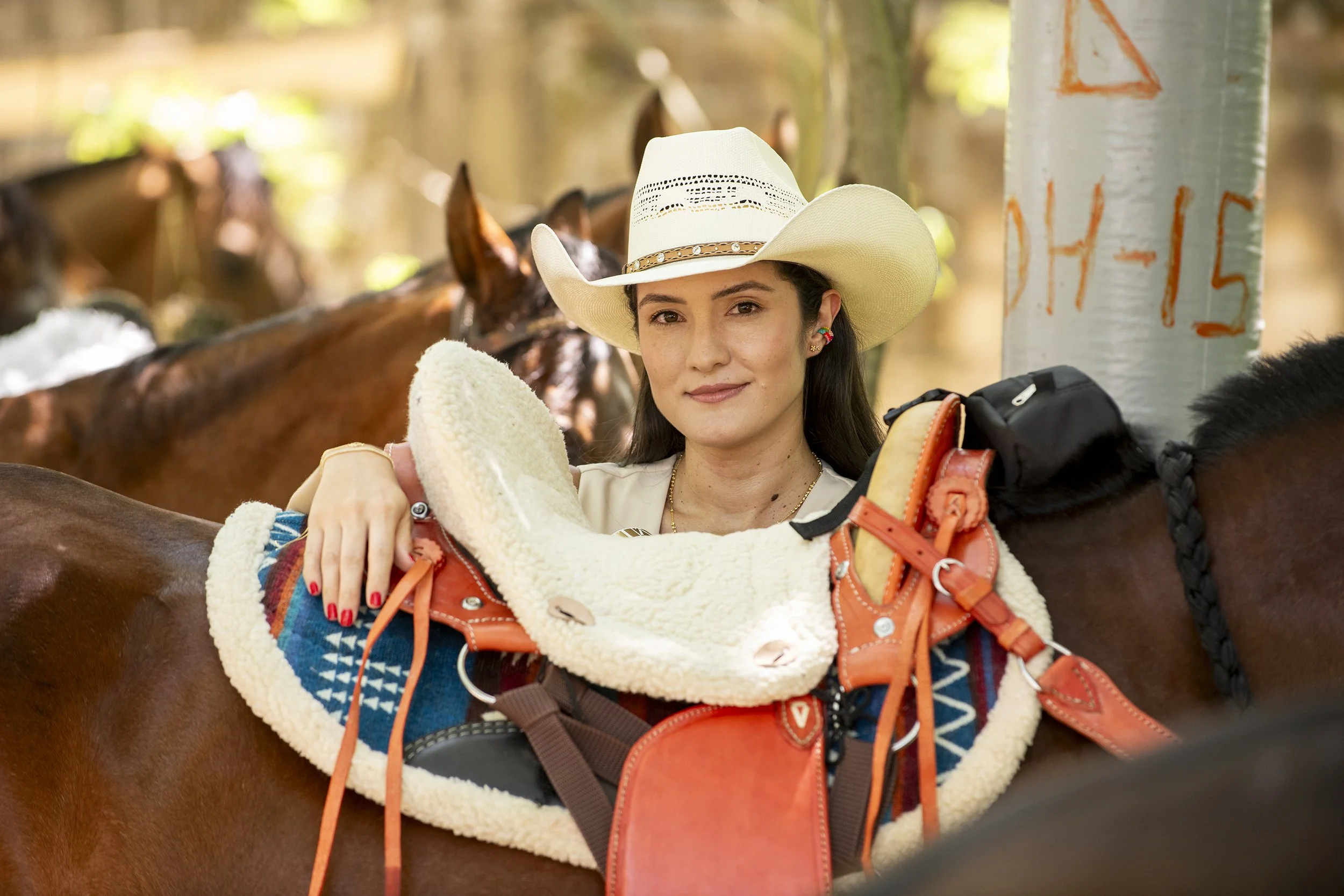
Leaving Puente Iglesias felt like stepping from one world into another. The shade between the houses held the last bit of cool air of the day. Riders mounted up with slow, practiced movements. Leather tightened. Reins adjusted. Horses shifting their weight as if they already knew the route ahead.
The first hooves tapped the pavement with a deep, echoing rhythm. Every sound bounced between the walls. Spurs clicked softly. Someone laughed. Someone shouted a name from across the street. The kind of noise that only exists when a whole town moves at once.
I walked between the horses to keep up. Their bodies filled the street. Warm, breathing, powerful. Riders guided them calmly, but you still feel the weight in the air. Their eyes followed everything. Every small movement, every sudden sound. I respected that completely.
This part of the ride was slow and controlled. Almost ceremonial. The last stretch of calm before the mountains opened up and the heat took over.



Between the lemon and orange fields
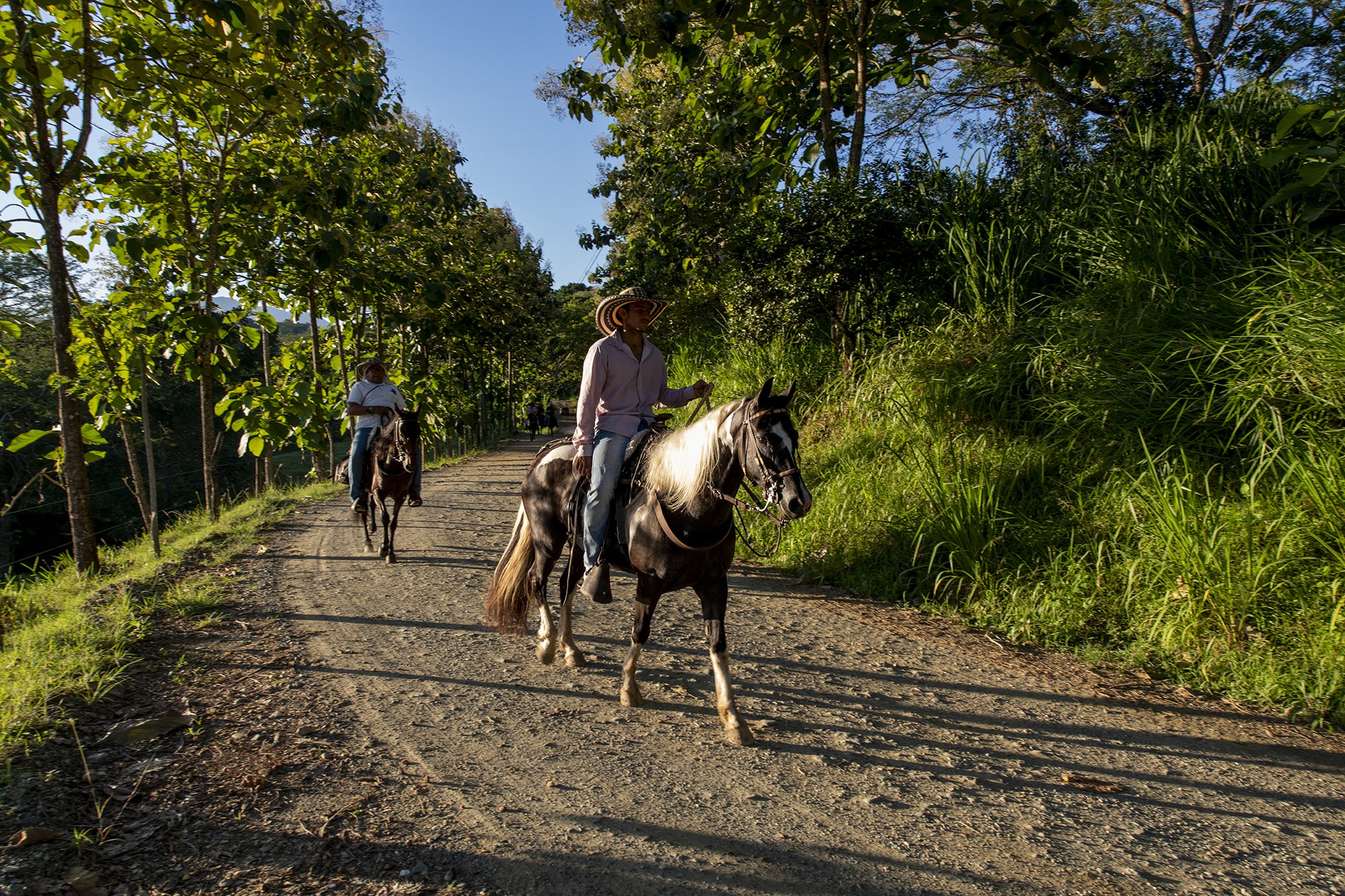
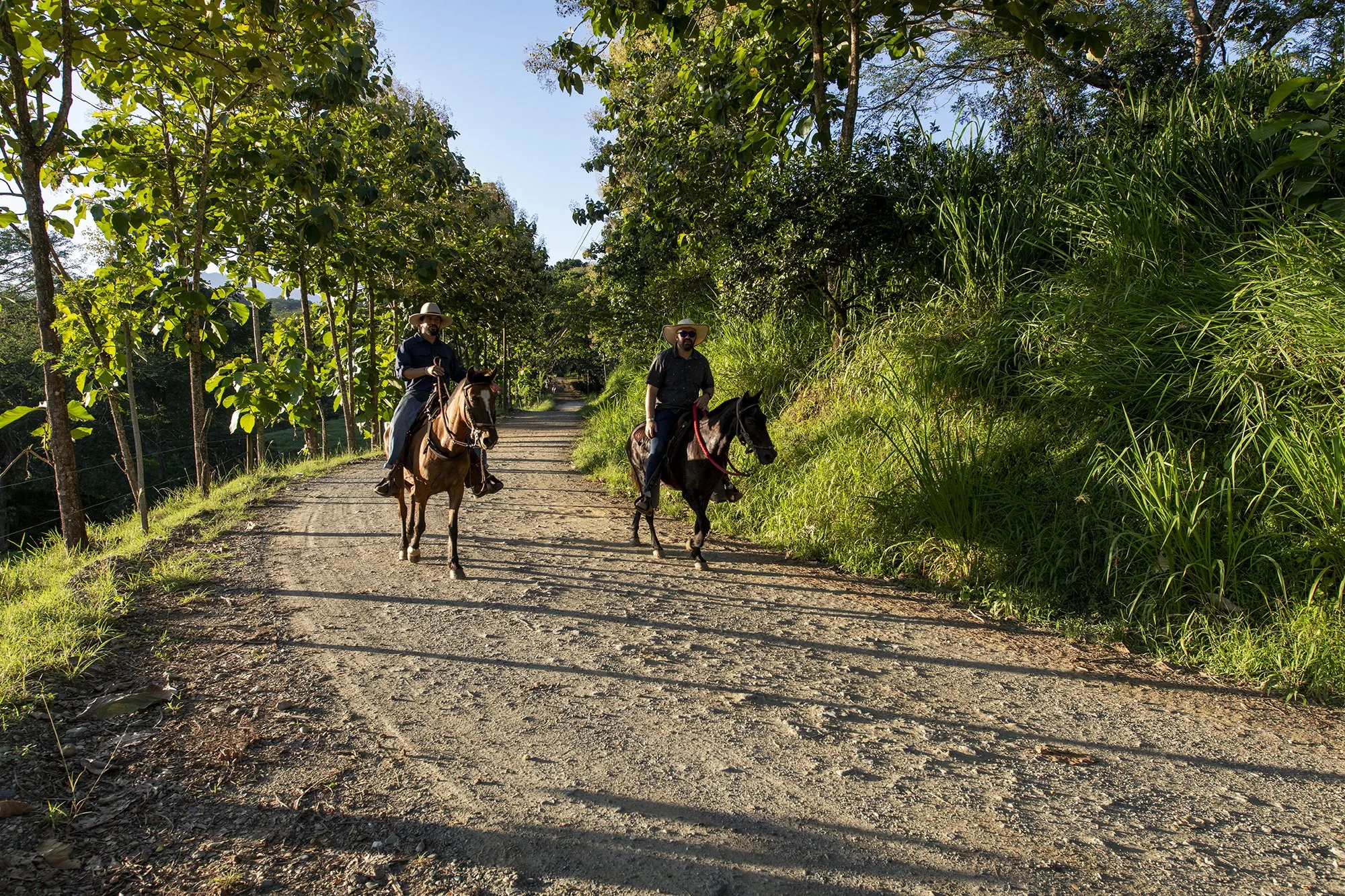
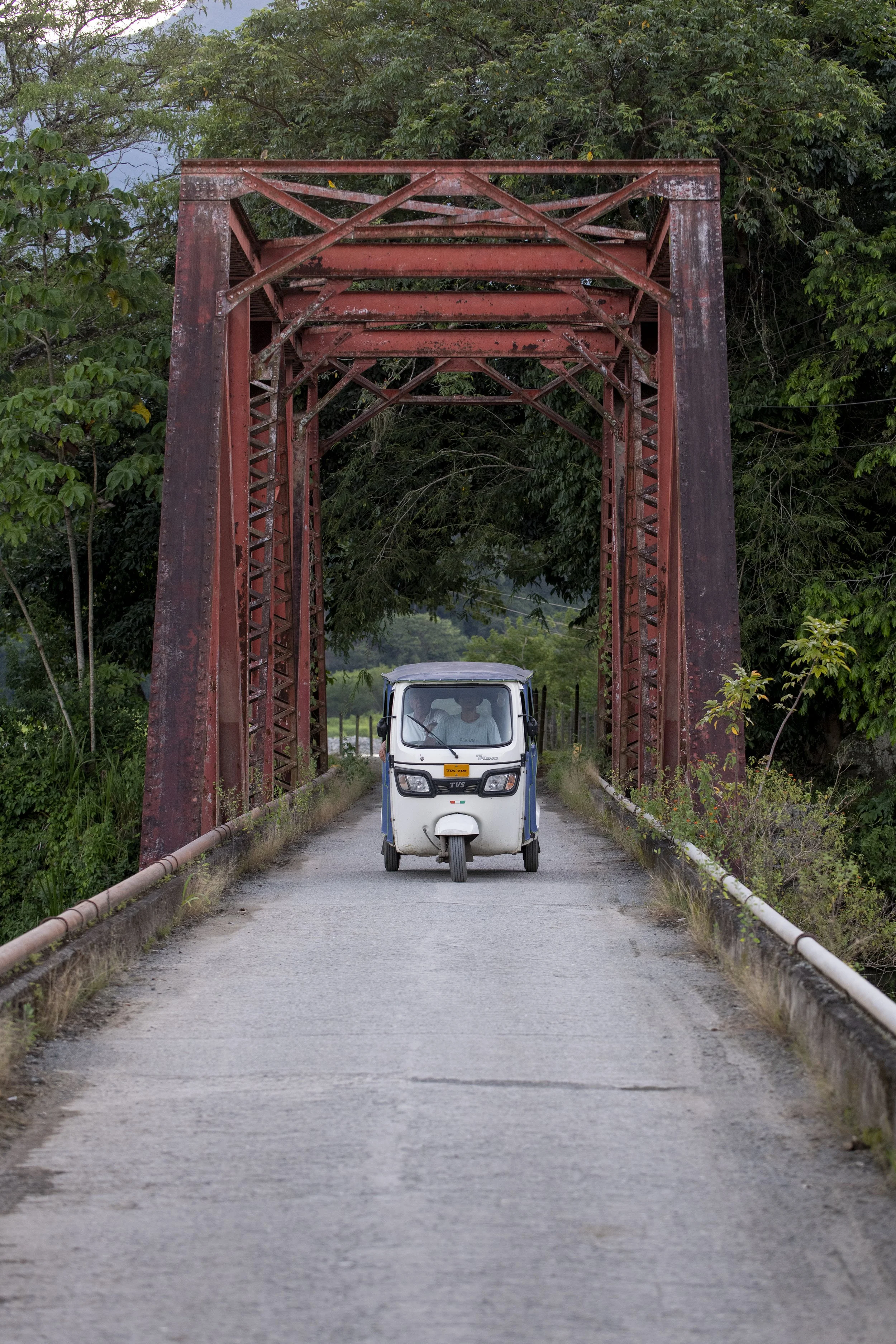
Once the main group left the village streets, I jumped into a tuk tuk and we pushed hard to follow them. The pavement ended within minutes. Stones rattled under the wheels. The heat thickened. Dust rose in long trails behind us.
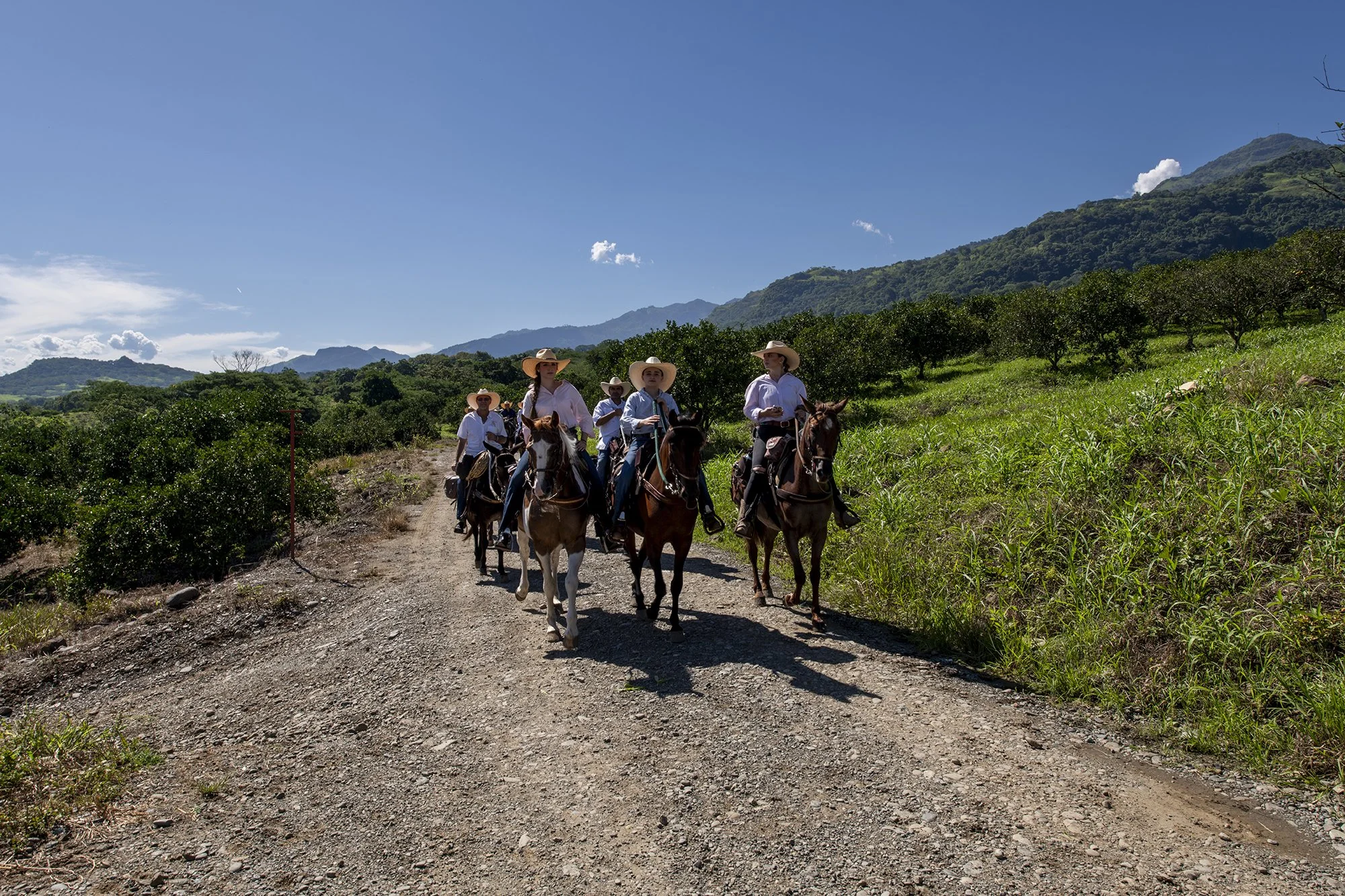
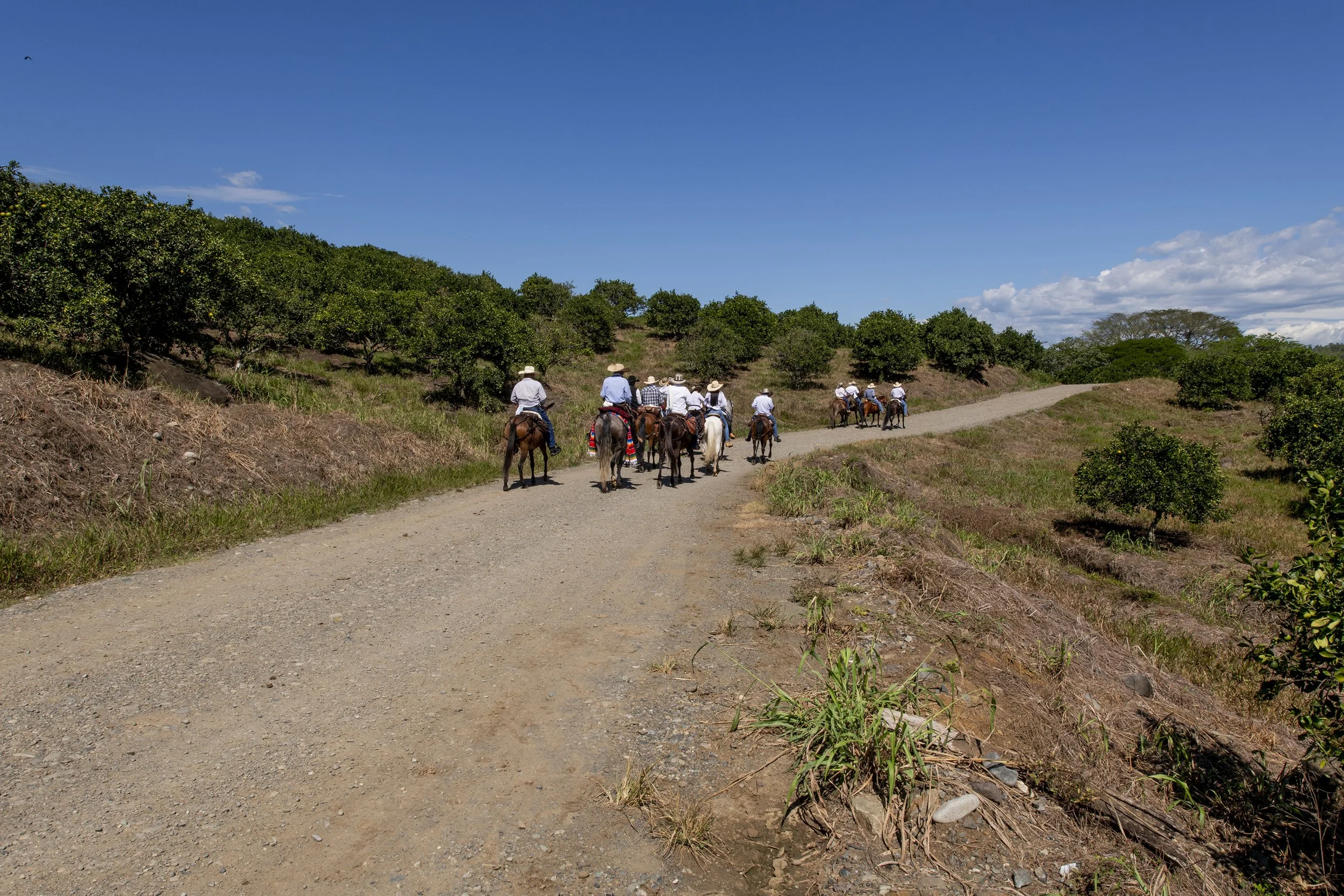
The driver took a narrow shortcut. Unpaved. Rough. Every bump tossed me around the backseat, but the path opened suddenly into a high viewpoint over the valley. The fields below were alive. Rows of lemon and orange trees stretched out, and between them riders appeared one by one, moving in and out of the branches like part of the land itself.
Some reached out and pulled fruit straight from the trees while riding. Others cut them open with large knives, sharing slices between friends. It was so casual that it said everything. This was not a show. Not a performance. Just daily life carried on horseback.
I dropped to the ground for the downhill angle. Pressed into the dirt. Waited. The riders climbed toward me and the reality of the moment hit fast. Every hoof sent stones flying. They snapped against my neck, my shoulders, the side of my head. Not dangerous, just sharp and real. I kept my body low and shielded the camera with my arms. I wanted the shot more than comfort.
The horses stayed calm. The riders controlled. Some charged up the hill in powerful bursts, others moved in a slow, steady pace. And somewhere in that mix of dust, heat, and flying stones, the raw beauty of the day showed itself.


Into the heat
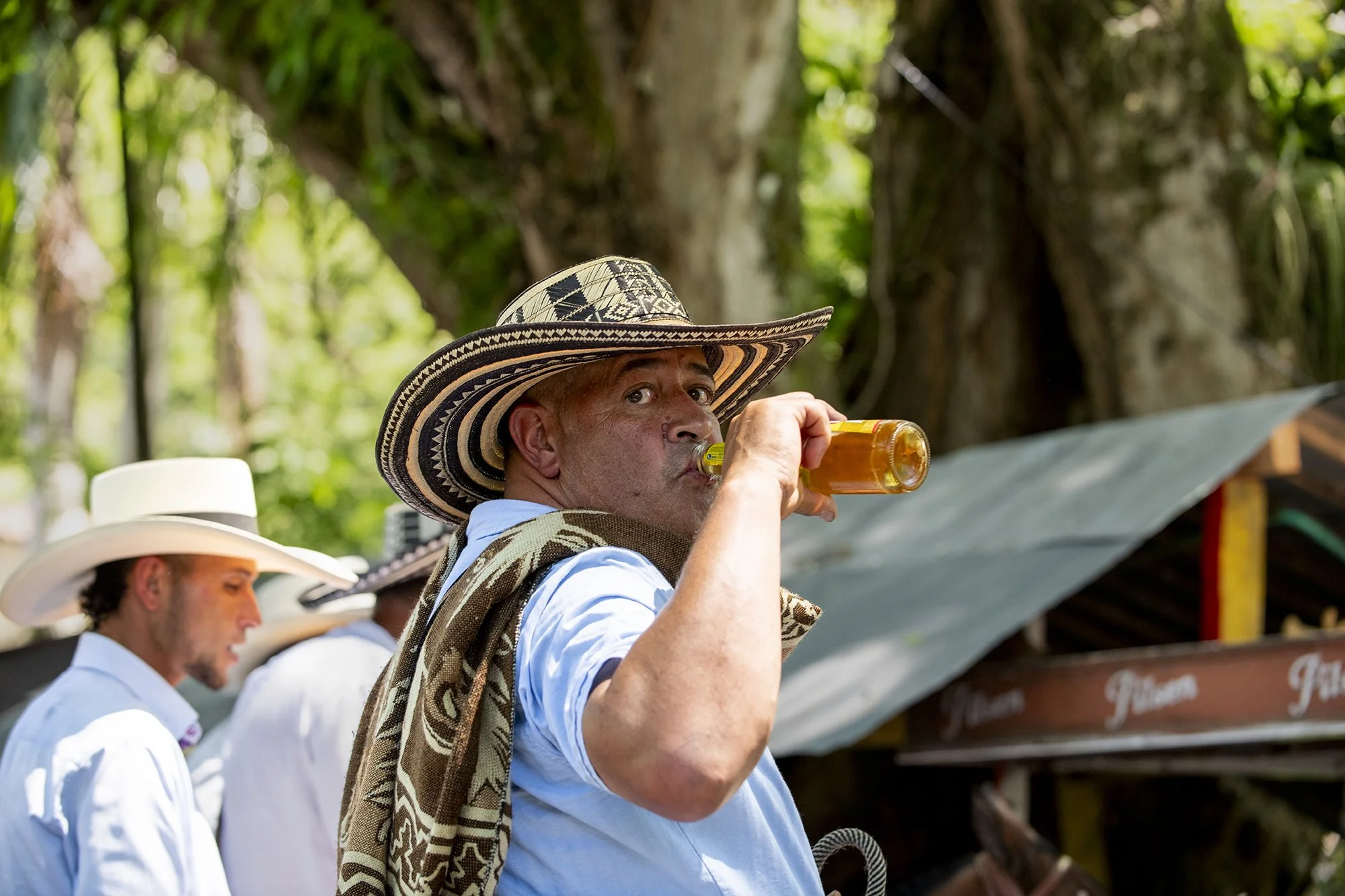
The road stayed between the fruit fields, only wider now. A long stretch of sand and dry grass where a large group of riders slowed down after the climb. They stopped for a moment to breathe, talk, and pass around bottles. Someone handed me a shot of aguardiente, the local drink made from distilled sugarcane with a strong anise flavor. It settled warm in my chest. Others drank small cups of coffee from thermoses tied to saddlebags.
When they continued, they moved together as one group. Some horses carried speakers with music. Others only the sound of hoofsteps and conversation. They shared another drink with me before riding on, a simple act that crossed the language barrier instantly.
We followed over a long sand path under a nearly clear sky. Just a few small clouds drifting slowly. The heat was intense, pressing down on everything. The grass smelled warm and dry. The sweet scent of oranges hung in the air. The taste of anise still in my mouth. My clothes now damp of sweat and dusty from lying in the sand earlier.
Even the horses felt the weight of it. Their shoulders darkened with sweat. Their breathing deeper. Their scent sharper. So many new smells, so much movement, but strangely calming. Everyone around me was kind. Curious. Smiling. Trying to connect even when words failed.
Sometimes a shared drink or a nod is enough to build trust. And that trust led me to people who would open doors to new moments and new stories long after this day was over.
A break in the valley
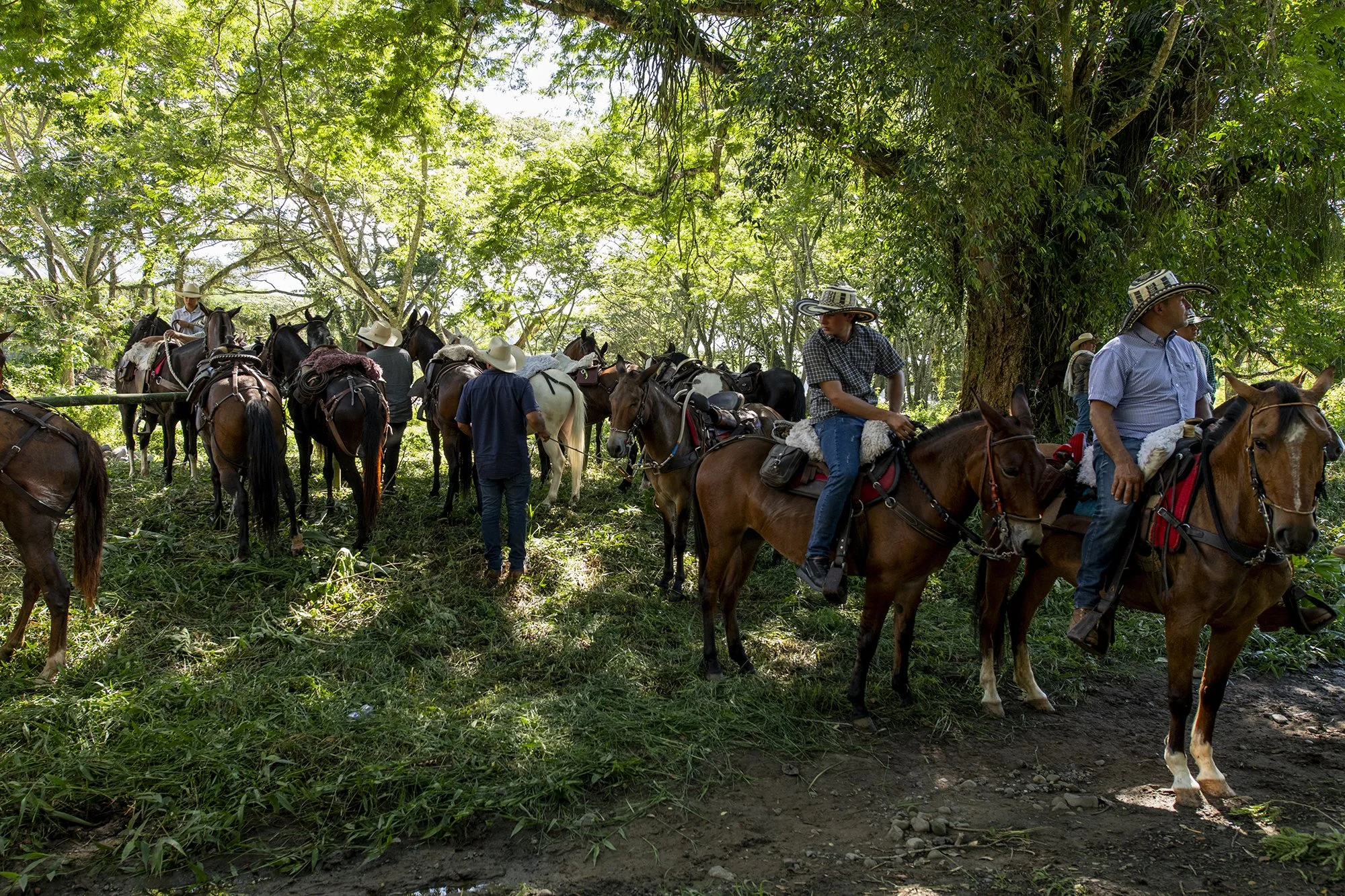
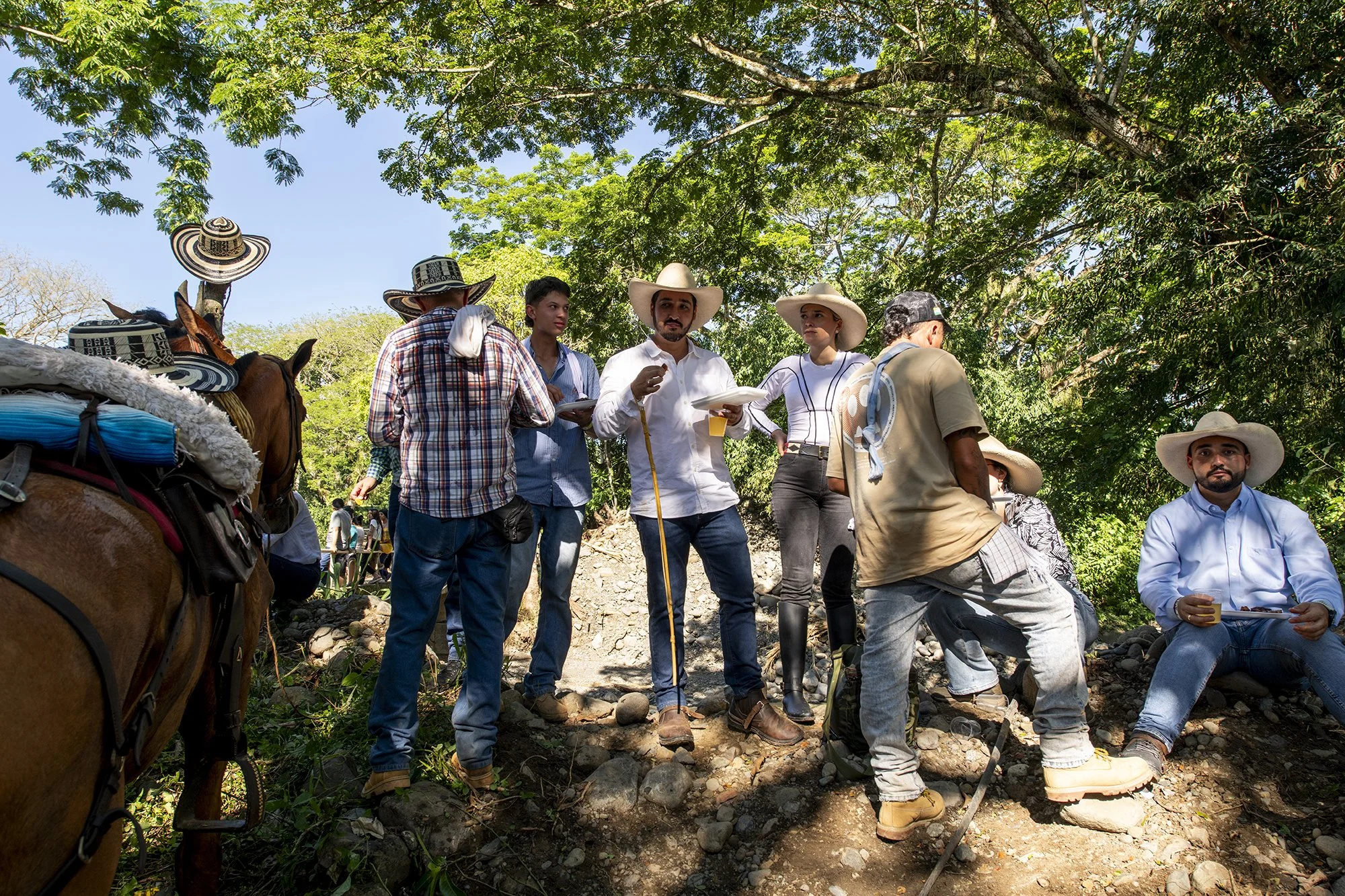
After the long stretch through the heat, the group finally stopped at the rest stop in the valley. A natural resting point. Horses lined up in the shade. Saddles loosened. Reins dropped gently tied to the fences. Their bodies steamed lightly in the sunlight.
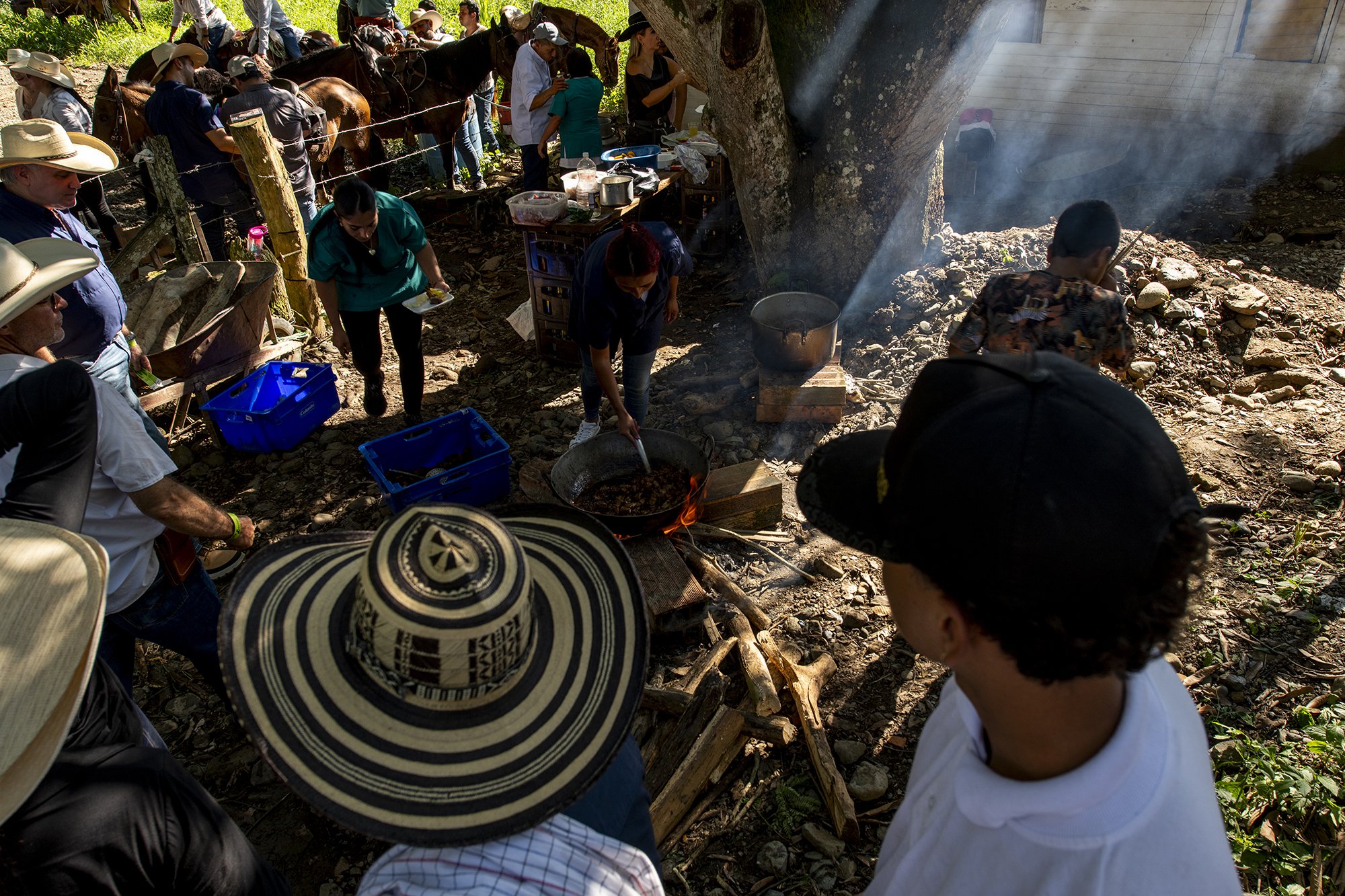
People gathered around a makeshift cooking area where food sizzled over open flames. The smell of grilled meat mixed with warm grass and dust. Someone handed me a plate without hesitation. Someone else poured me another drink. Every part of this pause felt communal. No rush. No schedule. Just people resting after the mountain climb.
The horses drank water and lowered their heads to relax. A few riders rubbed their necks and legs. Laughter drifted across the clearing. It was one of those moments where everything slowed down, even though hundreds of people were on the move that day.
I walked between the resting horses, taking photos without disturbing them. Their eyes half-closed. Their breathing steady again. They earned this moment as much as the riders.
This short mountain break felt like the heart of the day. A pause in the chaos. A reminder that the cabalgata is not a race. It is a journey.

Challenges Behind the Camera
I shot everything on my Nikon D850 with two lenses: the Nikon 70-200 2.8 and the Nikon 14-24 2.8. I carried more equipment, but dust made changing lenses impossible. Gusts of wind pushed dust into the lens hood. Opening the camera there would have been a mistake.
Everything moved constantly. Riders slipping into shadows. Horses in full sun. If I exposed for shadows, bright backgrounds blew out. I tried flash a few times, but none of those shots worked. Limitations forced me to adapt, and that became part of the story.
Leaving the Rest Spot
The group began moving again. Some riders lingered, finishing their drinks or sharing a laugh. Others mounted and rode off, dust swirling behind their hooves. Horses in the background rested still, heads lowered or grazing. Smoke drifted from the cooking fires, curling into the bright sunlight. A mix of motion and pause, the rhythm of the day unfolding naturally around me.


The Miscommunication
There was a miscommunication. I had expected riders to go through water, splashing, hooves sending spray into the air, big, dynamic action shots. Because of the language barrier, I misunderstood the plan. Turns out.
I jumped into the tuk tuk, following over rough, unpaved roads, bouncing around for 2 hours to reach the spot I imagined. The sun was already dipping. We raced as fast as possible so I could set up. Along the way, we stopped at small groups, catching some candid moments before pushing on.


The Bridge
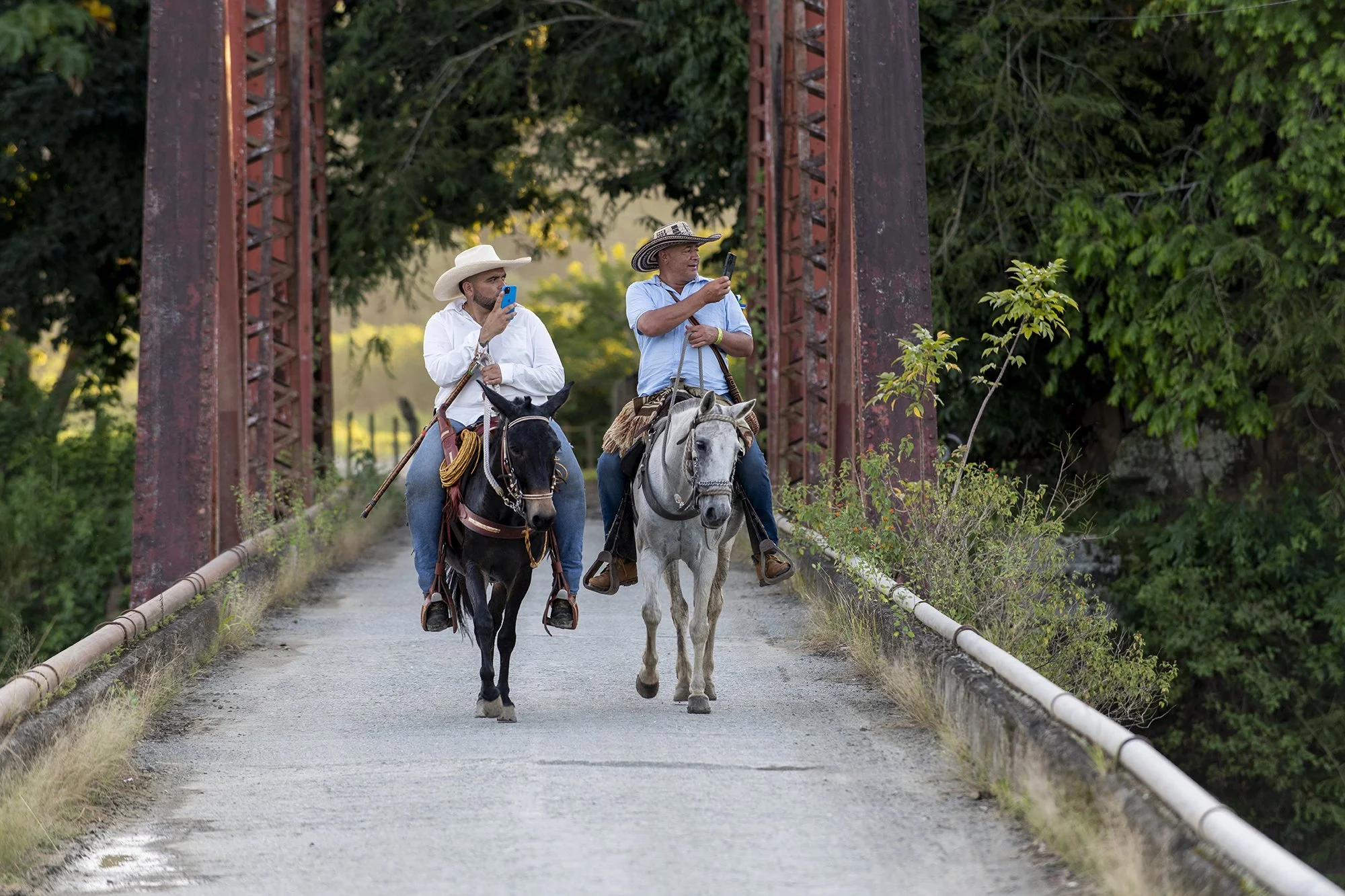
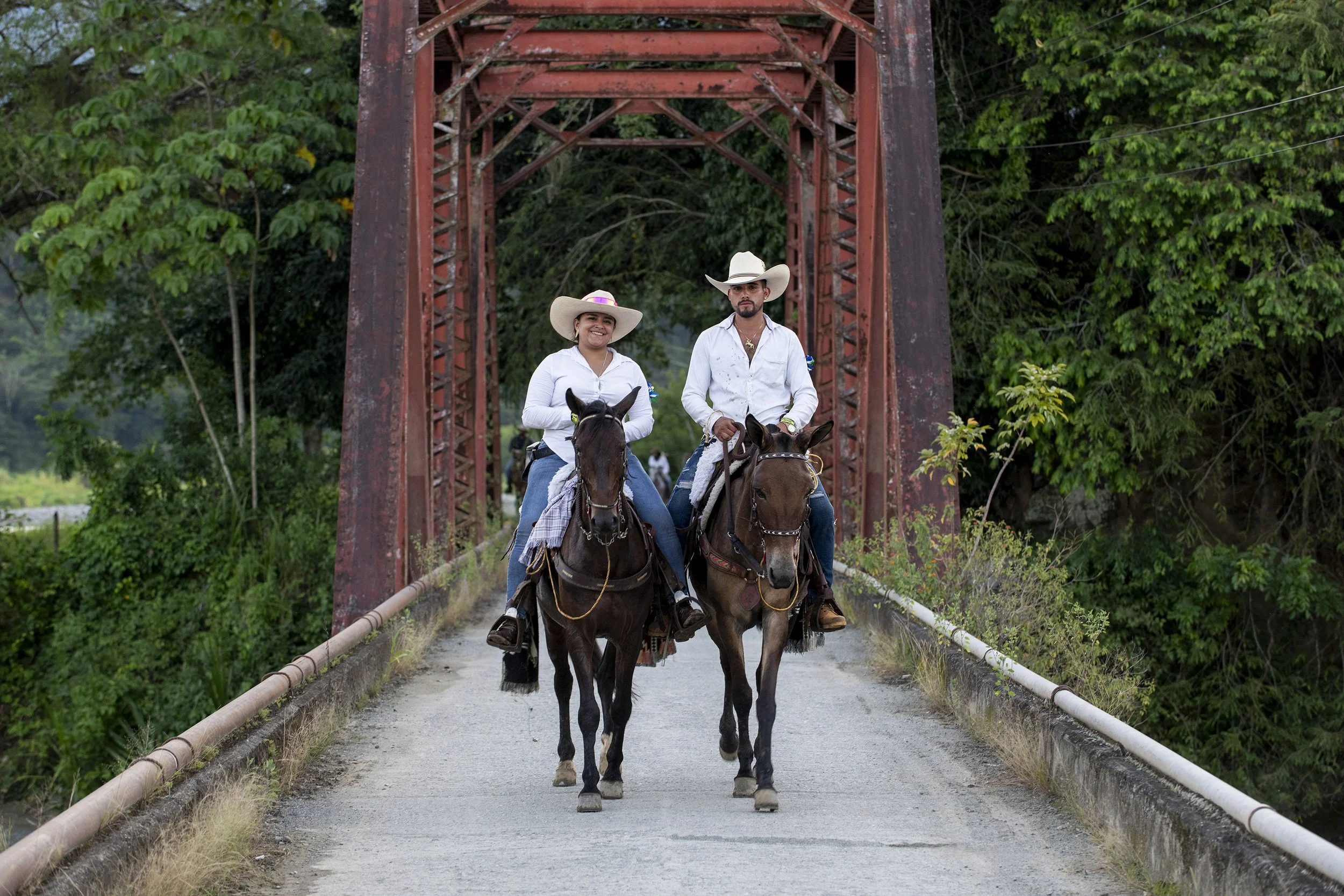
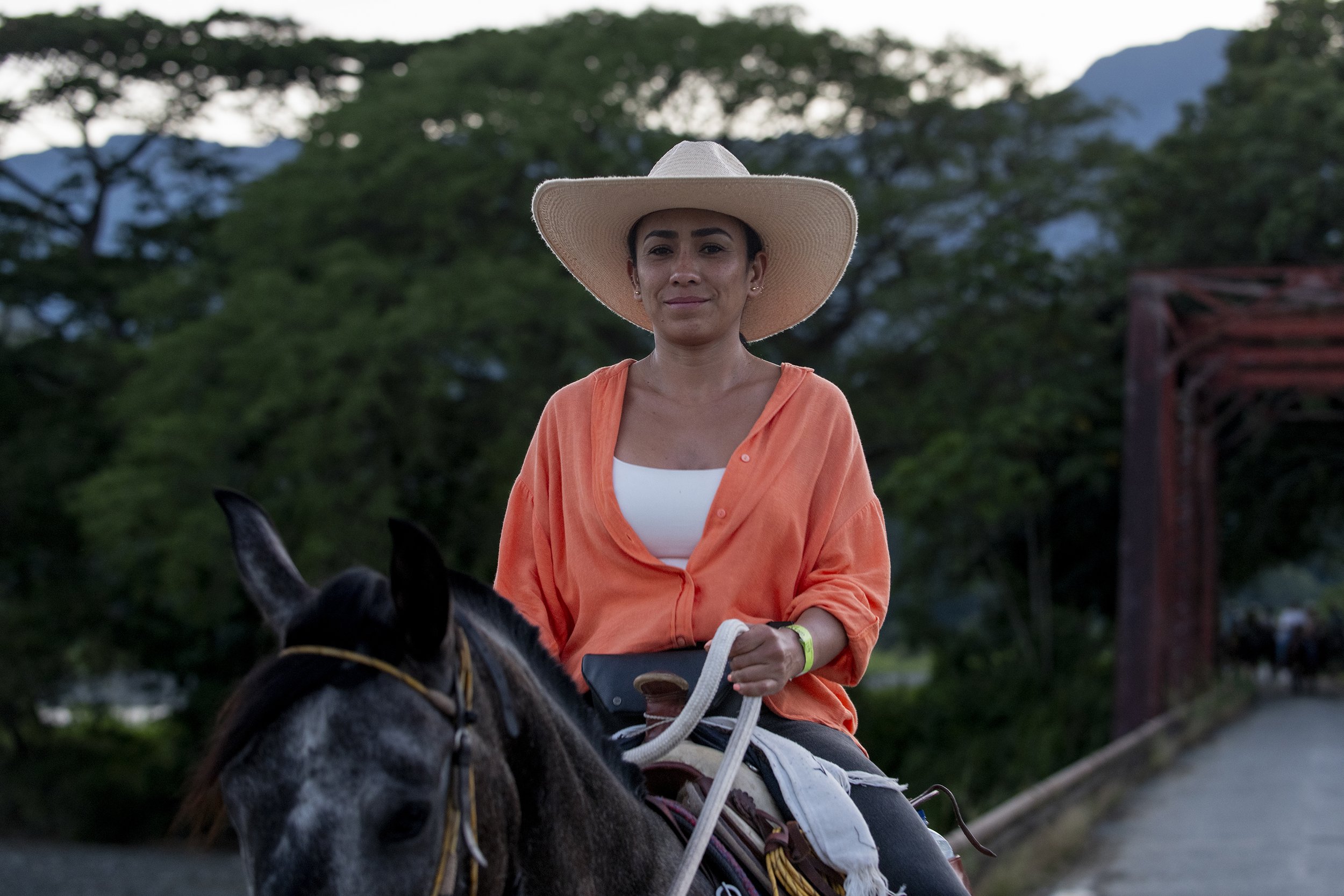
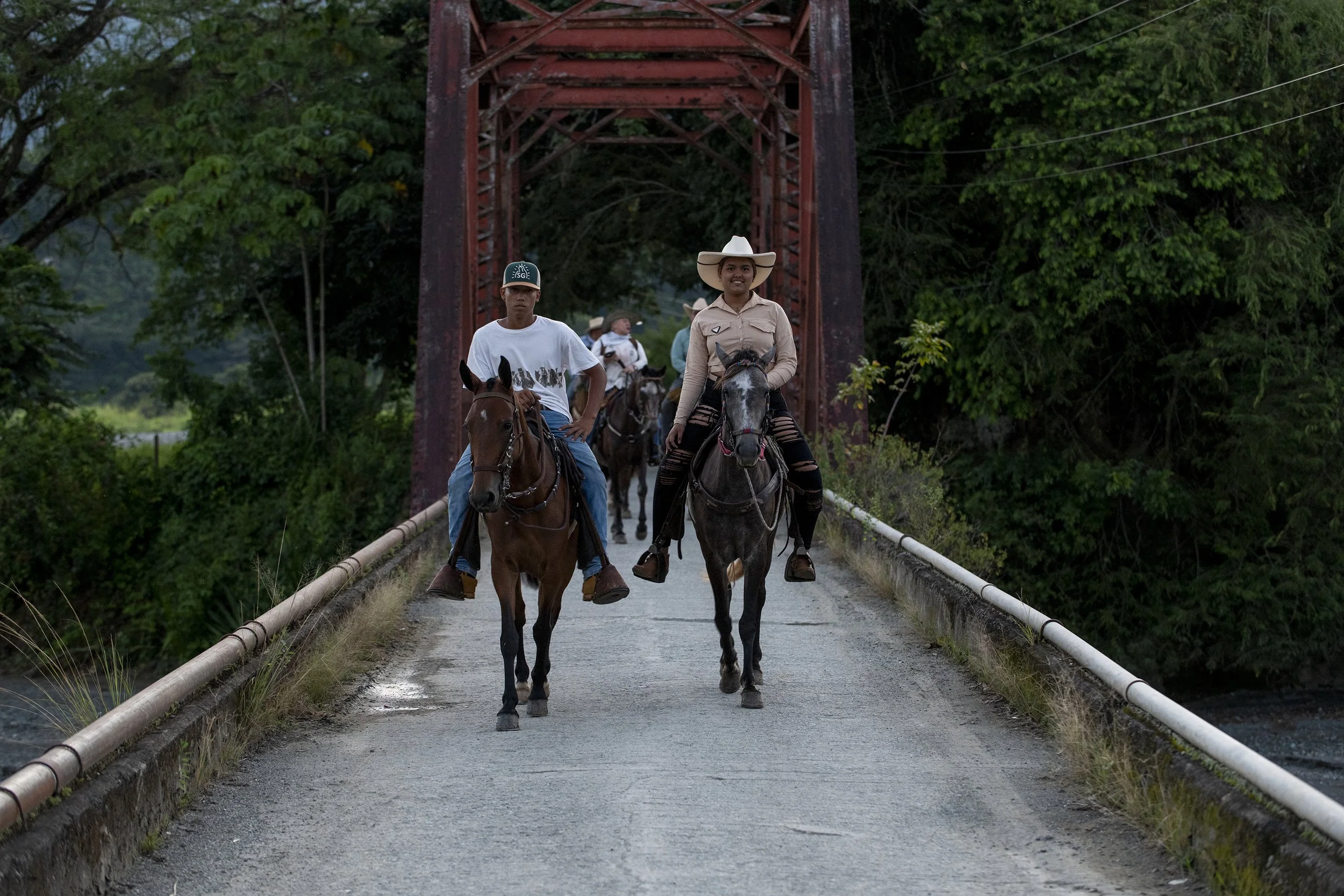
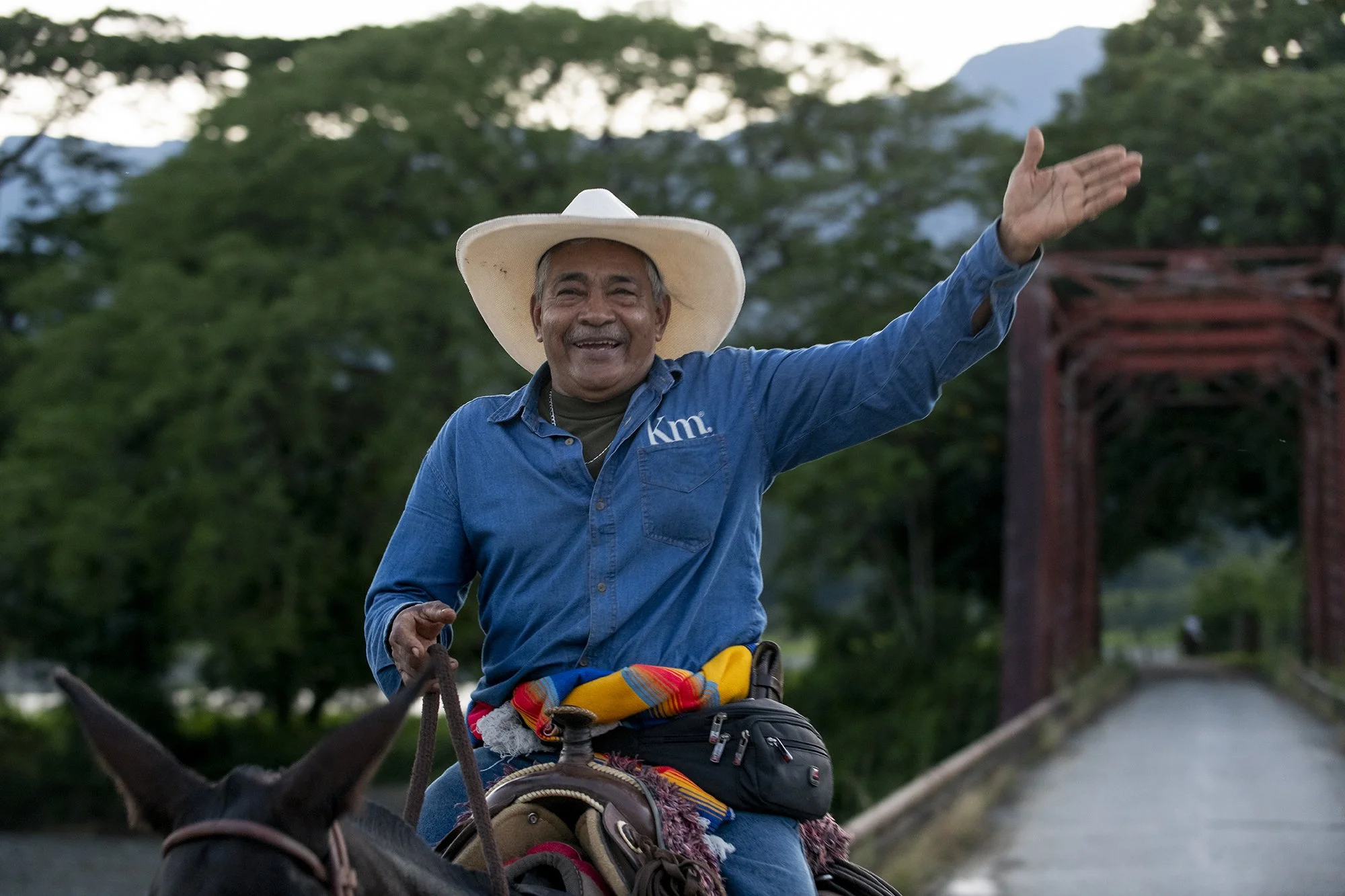
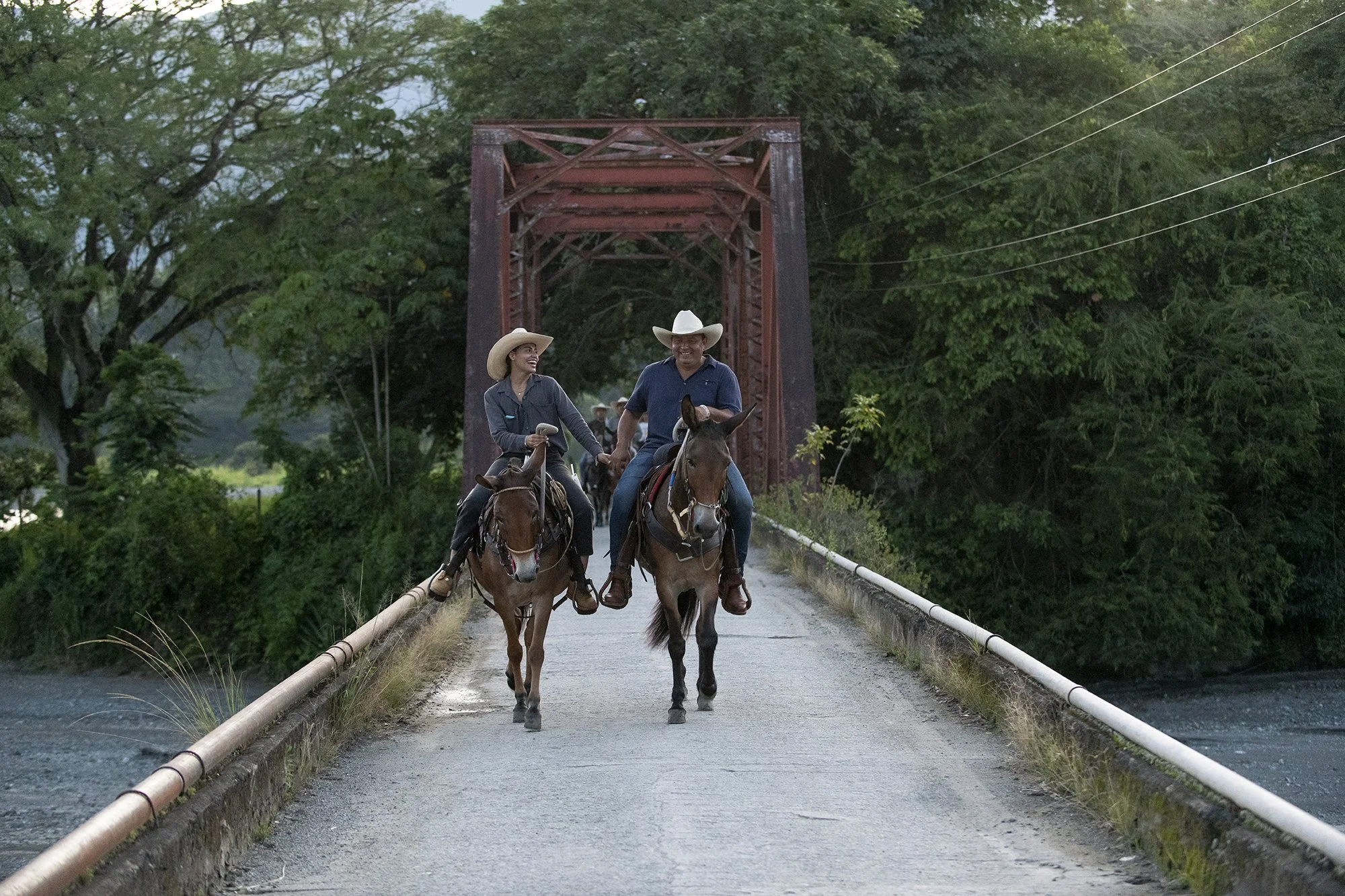
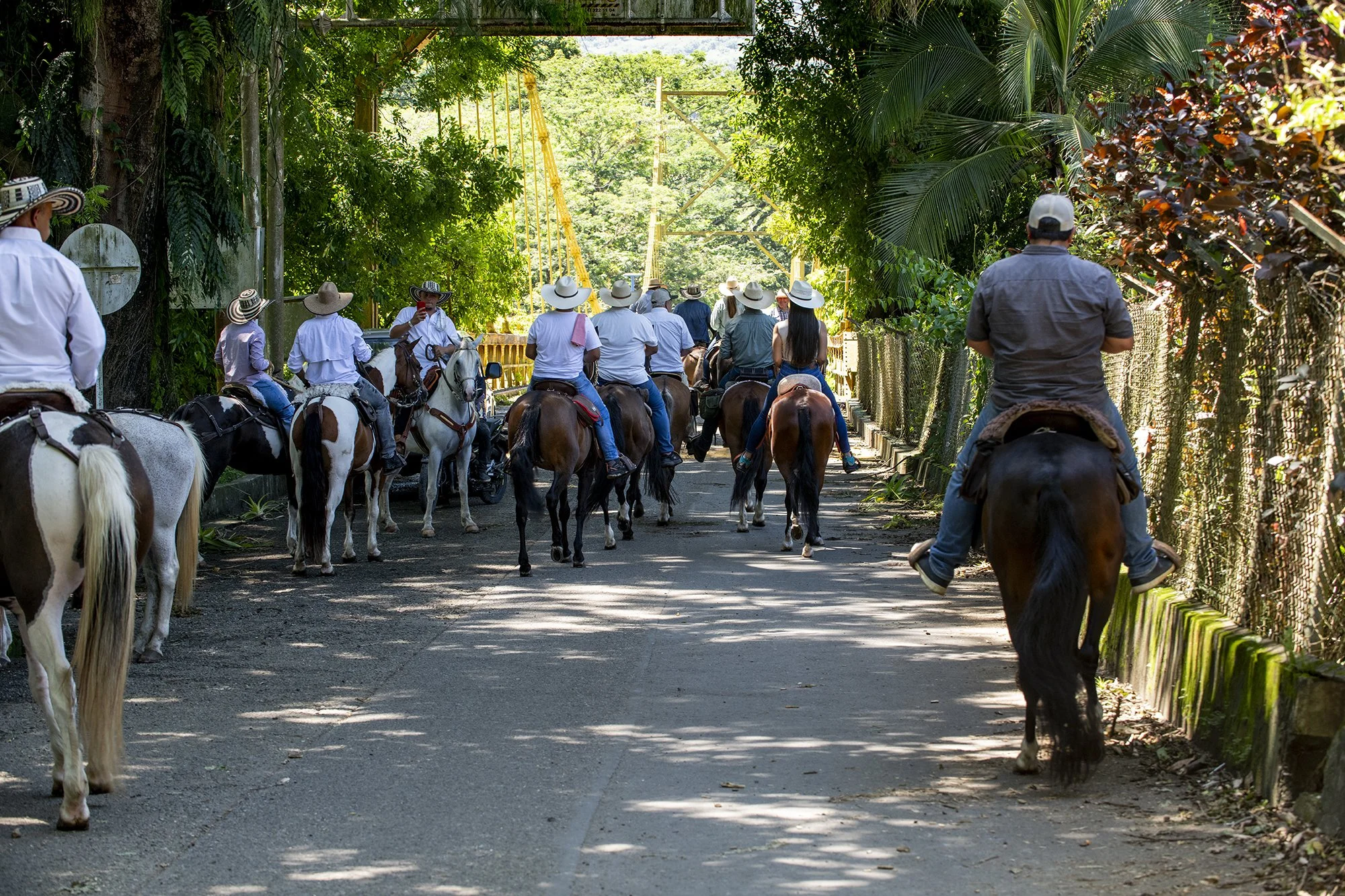
When we arrived, there was no water crossing. Just a narrow bridge, paved, and the sun leaning toward the horizon. My ideal shot of riders running through water never happened. Disappointment flickered in my mind, but I made the best of it.
I positioned myself in the middle of the bridge. Riders walked close. A couple of times, a horse’s wet flank brushed my shoulder. I could feel the weight in my legs through the vibration. Their breath warm, heavy, real against me. The closeness was intense, alive, and exhilarating. I laughed with the riders, joked, pressed the shutter. These images, intimate and raw.
Some riders split off from the groups, walking solo across the bridge. Their isolation against the late sun gave a beautiful, quiet atmosphere, contrasting with the chaos and dust of the day. These images felt intimate, raw, and alive.

Walking into La Pintada
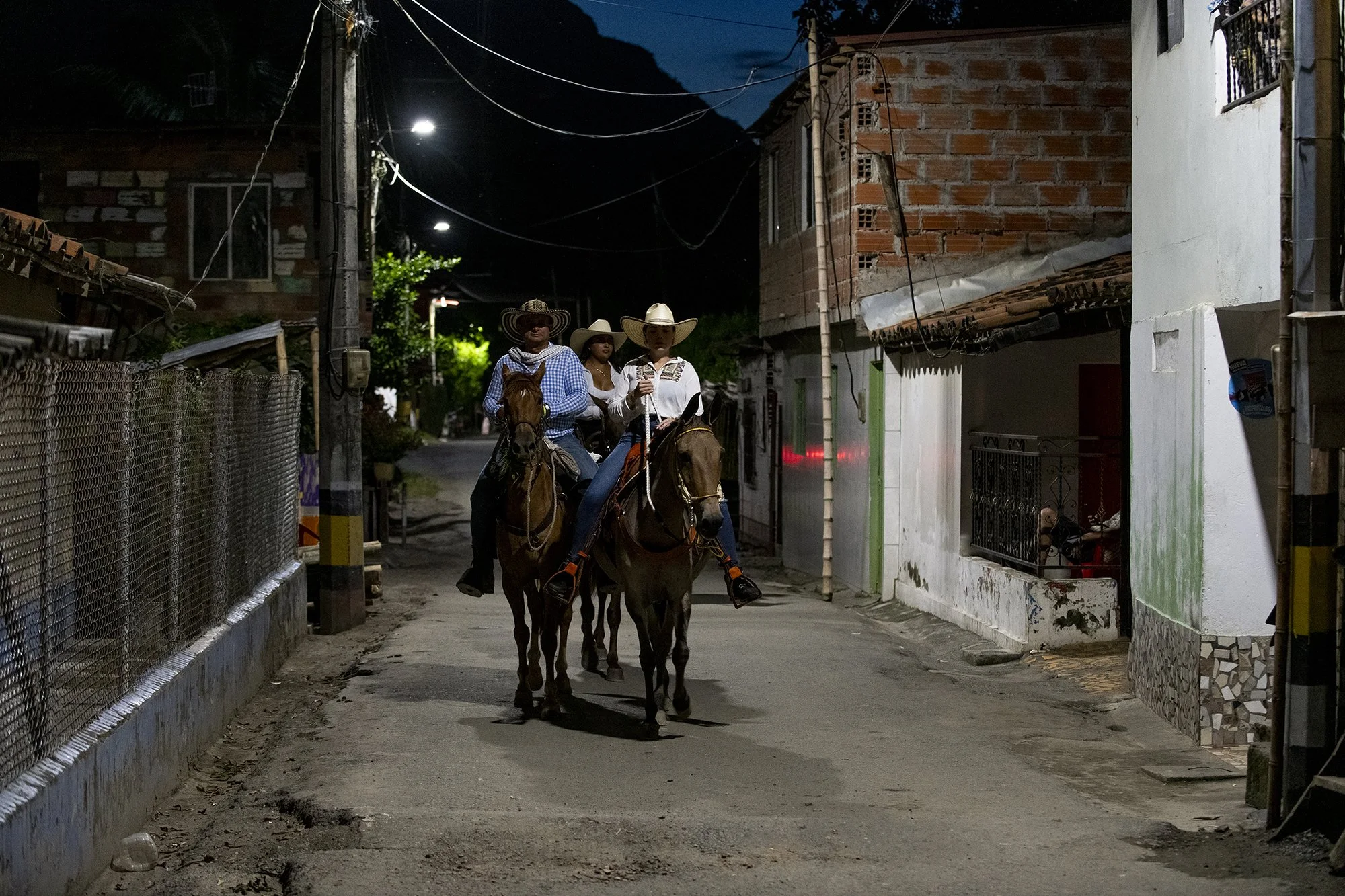
By the time the group entered La Pintada, night had fallen. Some riders arrived first with their trucks, others slowly walked in on tired horses. People gathered in the center, sharing drinks, music, and laughter.
Tables held slices of salted lemon and orange, served alongside bottles of aguardiente. Shots were passed. I learned quickly: it’s polite to accept one, but if you don’t pace yourself, the next keeps coming. The yellow aguardiente was my favorite, older, smoother, with a soft, lasting aniseed flavor. Music filled the square. People sang, danced, and joked with each other. The warm night, the smell of citrus and dust, the laughter, the rhythm of the town, it was the perfect end to an intense, overwhelming day.
People kept making music, singing, and dancing deep into the night.

What I Learned
If you join a cabalgata, whether as a photographer or a visitor:
Stay alert. Horses don’t wait for you.
Protect your gear. Dust always wins.
Know the schedule. Timing matters. And try to understand rest spots and other amazing views.
Accept missed shots.
Respect the sun.
Enjoy the moments when nothing goes as planned.
Final Thoughts
Not perfect. Stones kicked, gear carried and unused, hot, chaotic, unpredictable.
But real. Honest. Unfiltered.
Maybe that is the Gran Cabalgata. Not perfection. Just the ride itself.
Gallery